
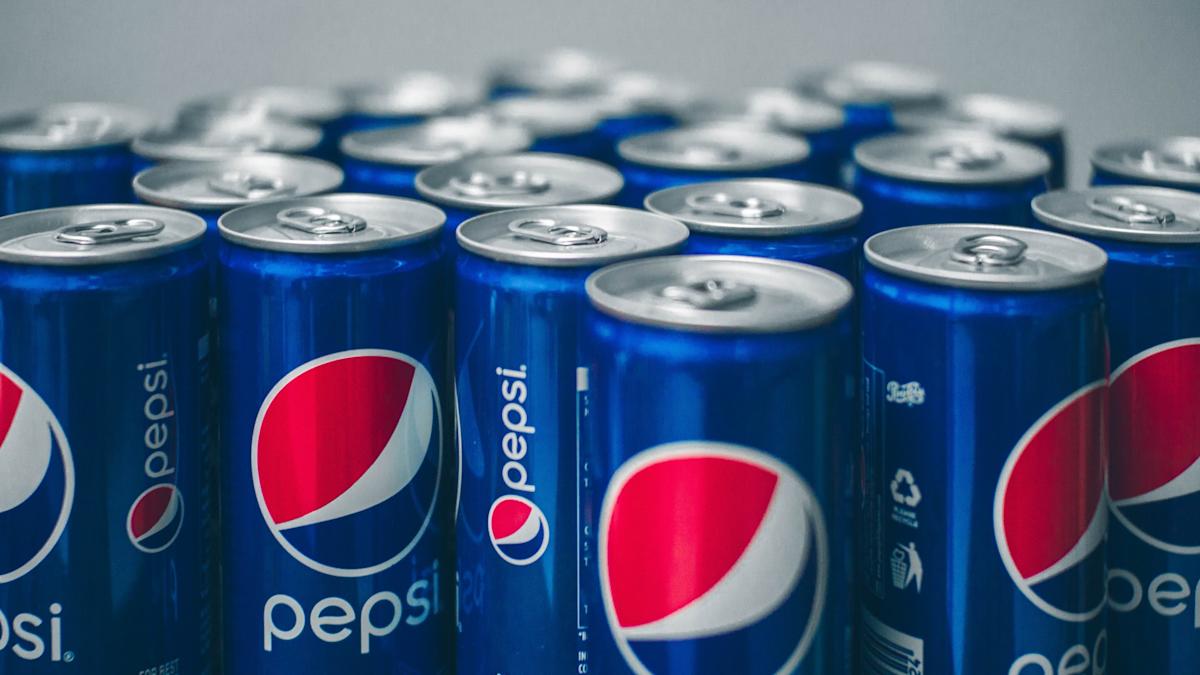
Investing in stocks often comes with a blend of uncertainty and opportunity, and current conversations among financial analysts highlight this dynamic, particularly concerning established companies like PepsiCo, Inc. (NASDAQ: PEP). A recent interaction during a segment featuring renowned stock expert Jim Cramer underscores the philosophy of holding versus trading, especially when considering steady stocks like PepsiCo.
### The Case for Holding PepsiCo
PepsiCo is a major player in the food and beverage industry, manufacturing and distributing a diverse array of products that include snacks, cereals, dairy items, and ready-to-drink beverages. On September 10, Cramer discussed PepsiCo’s stock performance, which has seen a decline to around $141 from a previous high of $196. This downward trend raised concerns for investors, especially those who purchased shares at higher prices, such as $149.
However, Cramer’s advice was clear: “You own that stock, do not trade it.” This statement reflects a fundamental investment principle—understanding the value of a long-term hold in a well-established company. His recommendation hinges on several key factors.
### The Impact of Elliott Management
A significant factor influencing Cramer’s perspective is Elliott Management’s recent $4 billion investment in PepsiCo. As an activist hedge fund, Elliott Management’s involvement suggests an expectation for strategic changes and potential enhancements in shareholder value. Such involvement often leads to a re-evaluation of company practices and can prompt management to undertake initiatives that improve performance and profitability.
The introduction of a more aggressive growth strategy, driven by the predictive dynamics of an activist investor, rejuvenates investor confidence. Cramer noted that this high-profile endorsement gives PepsiCo the chance to implement actionable strategies that could eventually lead to stock appreciation. The presence of Elliott Management signals a potential turnaround that could make holding onto the stock more rewarding than trading it in the current market.
### An Attractive Yield
Another compelling reason to hold onto PepsiCo stock is its attractive dividend yield, currently hovering around 4%. For income-focused investors, such a yield can be an enticing factor. Cramer emphasized, “That 4% yield brings people in because it’s a safe yield.” This sentiment reflects the stability often associated with established companies like PepsiCo, where dividends provide a layer of financial security in turbulent market conditions.
For those navigating an unpredictable market, the assurance of a steady income can be more appealing than potential short-term gains from trading. As interest rates fluctuate and economic conditions become uncertain, the reliability of dividends can help maintain portfolio stability, reinforcing the argument to hold onto established stocks rather than engage in frequent trading.
### Comparisons to Growth Stocks
Cramer also pointed out that while PepsiCo might not experience explosive price movements, it still represents a solid foundational element within a diversified portfolio, particularly for investors with a keen interest in growth stocks. He believes that even without aggressive stock appreciation, PepsiCo maintains its status as a “premier growth company.” This kind of stability is critical for those looking to balance risk within their portfolios.
### The Dilemma of Timing the Market
Trade versus hold is a timeless debate among investors. Some may be tempted to act on market fluctuations, attempting to time their investments. However, as Cramer notes, timing the market can be inherently risky. By holding onto a solid stock like PepsiCo, investors might miss out on potential long-term growth that trading could undermine. Emotional decision-making often leads to greater losses than remaining steadfast with a sound investment.
### Broader Market Considerations
While PepsiCo may be solid foundational stock, discussions have arisen about the potential of other sectors, particularly in artificial intelligence (AI), which suggest higher upside potential and reduced downside risk. For example, analysts have pointed out opportunities in undervalued AI stocks that stand to benefit from current economic trends, such as tariffs and the onshoring of production.
This assertion does not undermine the value of holding PepsiCo, rather it highlights the importance of being aware of emerging opportunities in the market. Understanding the various sectors, from traditional consumer staples to cutting-edge technology, enables investors to make informed decisions about whether to continue holding a stock or explore other avenues.
### Conclusion
In conclusion, Jim Cramer’s advice to hold onto PepsiCo stock rather than trade it is grounded in sound investment principles. The backing of Elliott Management, a stable dividend yield, and a strong foundational position in diversified portfolios justify a long-term perspective on holding PEP.
For investors, understanding the underlying dynamics of stocks is crucial. While there may be attractive opportunities in emerging sectors, the stability and potential growth that established companies provide should not be overlooked. Whether you are seasoned in the market or a new investor, the insights surrounding the notion of holding onto stocks like PepsiCo resonate across the investment landscape.
Engaging with well-researched strategies and focusing on long-term growth rather than short-term trades can often lead to sustained financial health and stability. Whether you decide to hold onto PepsiCo or consider other promising investments, maintaining a balanced perspective will be essential in navigating today’s complex market.
Source link


