Wall Street has shown resilience in the face of economic uncertainties, with major indices rebounding from significant losses experienced during the prior week. Investors are reacting not only to domestic market movements but also to evolving international relations, notably the complex dynamics between the United States and China. On the other hand, the FTSE 100 has maintained a lackluster performance amid various economic pressures and geopolitical considerations.
Wall Street’s Resilience
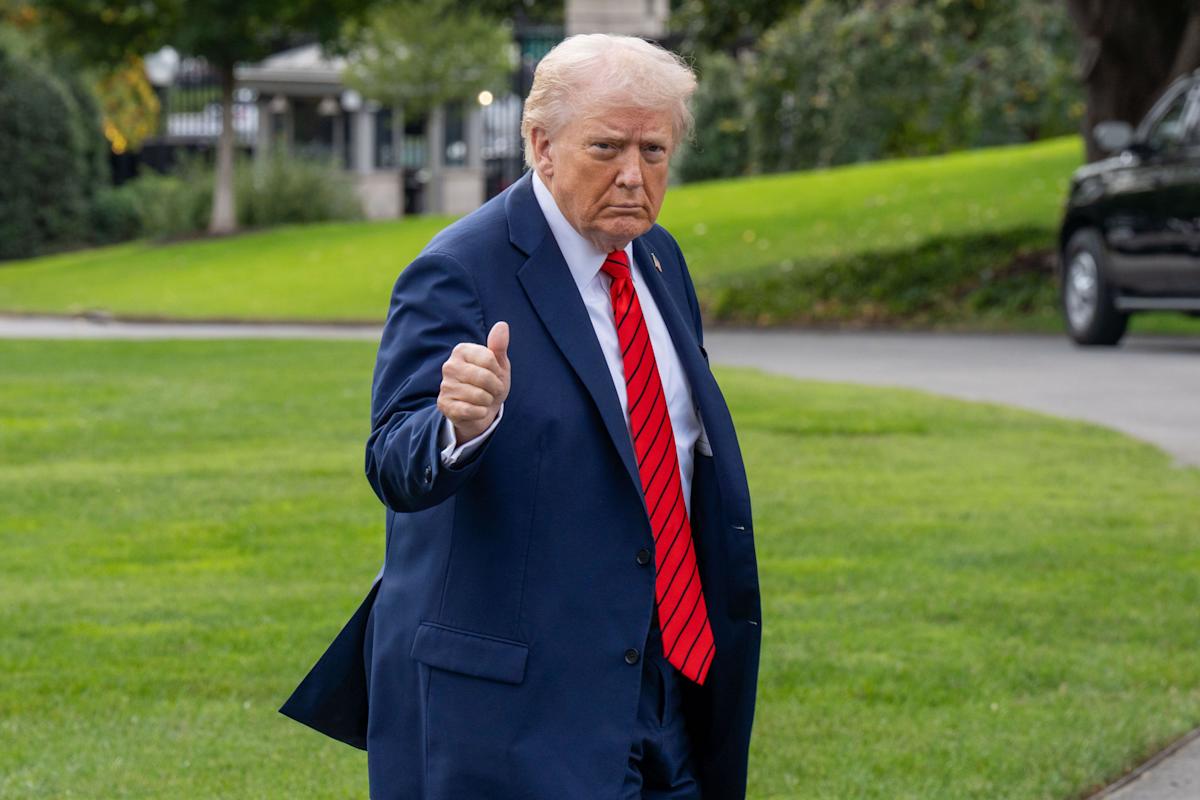
The recent uptick in Wall Street, particularly after a rough Friday, can be attributed to a mix of investor sentiment and pivotal statements from President Trump. On Sunday, Trump signaled a willingness to engage in dialogue with Chinese President Xi Jinping, softening his previously aggressive stance on trade tariffs. His comments on social media communicated a tone of optimism: "Don’t worry about China, it will all be fine!" This pronouncement appeared to alleviate some tensions, enabling the markets to recover somewhat.
Morgan Stanley, however, issued a cautionary note regarding the fragility of this market optimism, warning that unresolved trade disputes could push US stocks lower. Their equity strategist, Michael Wilson, forecasted a potential drop in the S&P 500 by 8% to 11% unless a resolution is reached by the looming November 10 deadline for tariff decisions.
The Broader Economic Impact
The broader implications of US-China relations extend beyond Wall Street, influencing global markets, especially in Europe. The FTSE 100 showed limited movement, mirroring investor caution as it remained flat during trading sessions. Several factors contribute to this subdued performance, including domestic economic indicators and the uncertain fallout from ongoing geopolitical tensions.
The uncertainty surrounding trade negotiations adds to a landscape already marked by inflationary pressures and shifting consumer sentiments both in the US and abroad. With ongoing challenges posed by rising interest rates and potential recessions, investors remain wary.
Morgan Stanley’s Warning
Morgan Stanley’s analysis has introduced a sobering perspective into the market’s otherwise optimistic recovery. Their warning emphasizes that if tensions escalate further without a resolution, the stock market could settle into a more correctional phase. The bank’s elevation of risk awareness aligns with broader market realities, suggesting a two-sided nature to the upcoming negotiations.
Wilson asserted that a correction could occur if trade uncertainties persist into early November, a time when market watchers will be especially vigilant. This scenario underscores the interplay between macroeconomic factors and investor psychology, with market reactions often driven as much by sentiment as by fundamentals.
FTSE 100’s Performance
In stark contrast to Wall Street’s rebound, the FTSE 100 exhibited flat performance against a backdrop of regional economic news. Comparatively, major European indices such as Germany’s DAX and France’s CAC gained modestly due to various national policies aimed at stabilizing their economies. For instance, France’s government was recently reshaped, and new cabinet announcements have garnered positive attention, temporarily steeling investor confidence.
The UK’s benchmark index remained flat, with localized factors impacting its trajectory. Notably, defense stocks dipped as geopolitical anxieties eased somewhat with a discussion of potential peace in conflict areas. Heavyweights in this sector, such as Babcock and BAE Systems, faced downward pressure, indicating a fluctuation in defense spending expectations influenced by broader market conditions.
Conversely, Fresnillo emerged as a top gainer, spurred by short squeezes in silver prices that often correlate with investors seeking safe-haven assets amid geopolitical risks.
Key Takeaways for Investors
Mindful of Trade Discussions: Investors should pay close attention to updates regarding US-China trade discussions, particularly in light of looming tariff deadlines.
Monitor Economic Indicators: Keep an eye on key indicators from major corporations, notably those reporting this week, including JPMorgan and TSMC, which could provide insight into future market directions.
Defensive Positioning: With Morgan Stanley’s warning echoing in the background, adopting a cautious or defensive investment strategy may be prudent as uncertainties abound.
Sector Performance: Be discerning about sectoral performances. While tech and defense have faced volatility, energy and commodities sectors may present opportunities amidst broader economic shifts.
- Global Context: Remember that the UK market currently contends with its challenges separate from the US dynamic, as it navigates both political and economic landscapes.
Conclusion
The current investment climate presents a dichotomy between the recovery on Wall Street and the plateauing of the FTSE 100. While the US markets exhibit signs of resilience, the warning from Morgan Stanley serves as a sobering reminder of the vulnerability tied to international relations, notably the critical dialogue with China. Investors should remain alert, take measured risks, and evaluate their portfolios against the backdrop of ongoing geopolitical developments. As we approach crucial negotiation deadlines, the interplay of market sentiment, economic fundamentals, and international dynamics will shape the investment landscape in the coming months.