
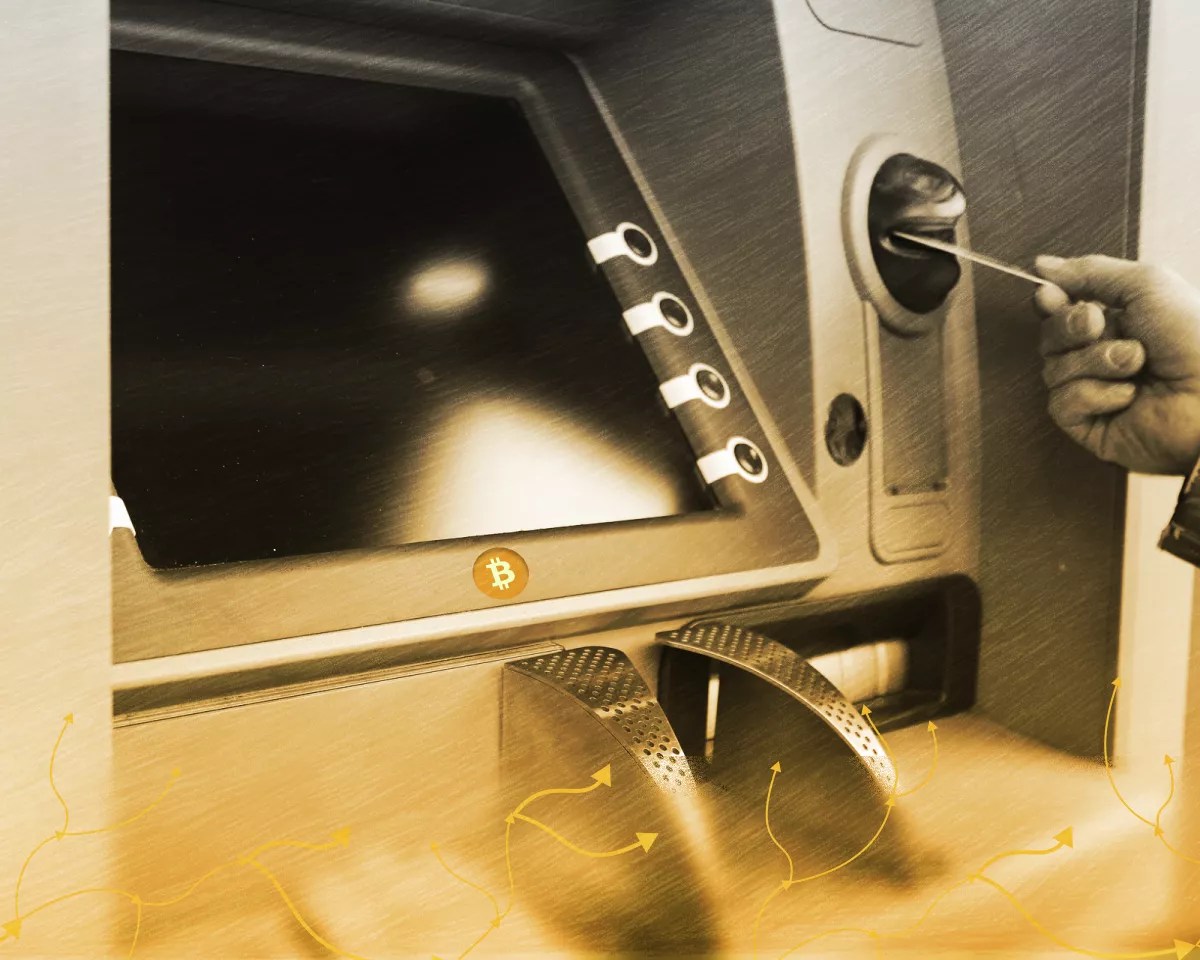
The emergence of cryptocurrency has revolutionized the financial landscape, but with its rise has come a troubling series of issues, notably concerning fraudulent activities. Recently, Athena Bitcoin, an operator of cryptocurrency ATMs in the United States, has drawn attention due to allegations of facilitating fraud, particularly against vulnerable populations such as the elderly.
According to a lawsuit filed by Washington D.C. Attorney General Brian Schwalb, Athena Bitcoin stands accused of profiting from fraudulent schemes that exploit unsuspecting victims. The lawsuit reveals damning statistics: within the first five months of operation in D.C., approximately 93% of the funds deposited into Athena’s ATMs were reportedly linked to outright fraud, reflecting a significant concern for consumer protection.
The extensive nature of these frauds can be alarming. In 2023 alone, Americans reported losses totaling $189 million to the FBI related to cryptocurrency ATM fraud. Such figures illustrate the breadth of the problem, emphasizing the need for stronger consumer alerts and protection schemes within the crypto landscape.
One of the critical issues highlighted in the lawsuit is the exorbitant fees charged by Athena Bitcoin. Reportedly, some customers in Washington were subjected to fees as high as 26%, which were allegedly obscured within the exchange rates displayed on the ATMs. In one particularly illustrative case, the price for bitcoin listed on one of Athena’s ATMs was inflated by 25.4%, resulting in consumers believing they were receiving a fair market rate when they were, in fact, paying significantly more.
For instance, a deposit of $10,000 resulted in only $7,463 being sent to the intended recipient, leaving Athena with $2,537 in undisclosed fees—a stark reminder of how hidden costs can erode consumer trust and financial wellbeing. The implication is clear: as the deposit amount increases, so does the percentage of fees charged, effectively doubling down on the exploitation of individuals.
The lawsuit also indicates that Athena employs verbose warnings and elaborate legal disclaimers on its ATMs, which may inadvertently confuse customers rather than protect them. This complexity, coupled with the pressure likely felt by victims to act quickly—often at the behest of fraudsters—could lead to hasty and ill-informed decisions, making consumers more susceptible to falling prey to scams.
In response to the allegations, a representative from Athena Bitcoin contended that the company prioritizes consumer security and has implemented strict protocols to guard against fraud. They asserted that their ATMs are equipped with explicit warnings and multiple verification screens to help ensure that transactions are secure and that funds are sent to the rightful wallets of customers.
“Our ATMs are equipped with numerous protective measures: from prominent warnings and daily transaction limits to five separate verification screens designed to prevent coercive transactions and confirm that bitcoins are sent to a wallet belonging to the customer,” the representative stated.
Despite the claims of the company, the implications of the lawsuit reveal a troubling concern for the broader cryptocurrency ATM industry. As of now, there are approximately 507 crypto ATMs operating in Washington state and more than 31,000 across the United States, showcasing the growing prevalence of such technology. This raises questions regarding regulatory oversight and consumer protection in a rapidly evolving marketplace.
Moreover, the controversy surrounding cryptocurrency ATMs has not been confined to the U.S. For instance, New Zealand’s Deputy Minister of Justice, Nicole McKee, announced intentions to implement a complete ban on cryptocurrency ATMs within the country as a means to combat money laundering. This international perspective underscores a global recognition of the potential for abuse within the crypto space, and it suggests an inevitable push for stricter regulations.
As the case against Athena Bitcoin progresses, it not only raises ethical questions about corporate responsibility but also serves as a pivotal case study for regulators and lawmakers who should consider how to protect consumers in a digital age marked by both innovation and risk. With an increasing number of individuals turning to cryptocurrencies as alternative investment vehicles or means of transactions, it is paramount that measures are instituted to decrease the likelihood of fraud, especially among the elderly and other vulnerable demographics.
In conclusion, as the cryptocurrency industry continues to grow, it faces an urgent need to bolster consumer protection initiatives. The allegations against Athena Bitcoin shine a light on the broader challenges within the sector, highlighting issues surrounding transparency, consumer awareness, and ethical business practices. Stakeholders within the cryptocurrency ecosystem—be they operators, regulators, or consumers—must work collaboratively to ensure that digital currencies serve as tools for empowerment and financial freedom rather than means of exploitation. Without adequate oversight, the potential for harm could overshadow the benefits of a technology that promises to redefine traditional finance.
In this evolving landscape, the key takeaway is clear: vigilance is critical, and all parties involved must prioritize accountability and transparency to create a safer environment for cryptocurrency transactions. The outcomes from this situation and similar cases could set important precedents for how the industry navigates consumer protection and regulatory compliance in the years to come.
Source link


