
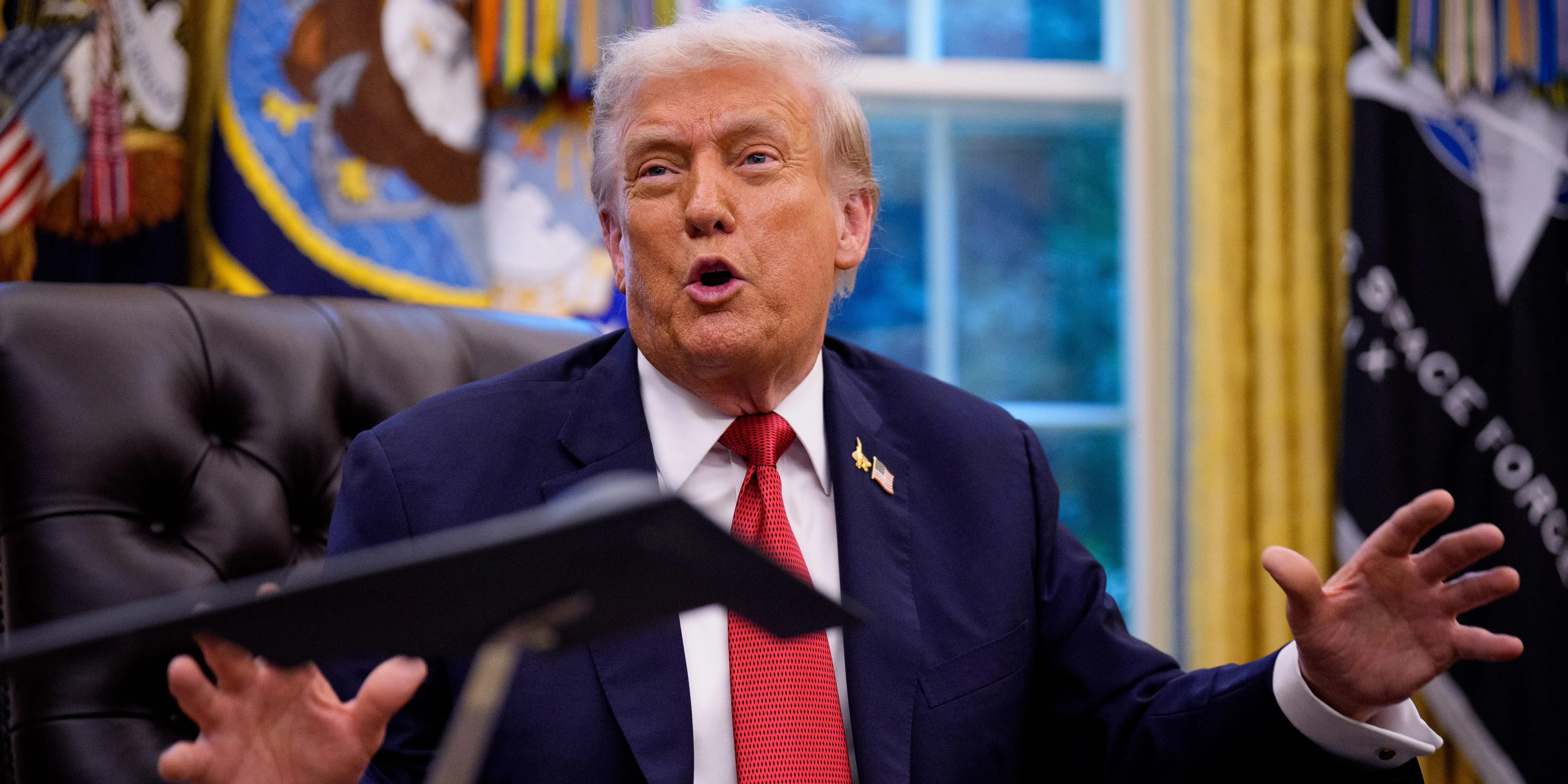
The recent announcement from President Donald Trump’s Department of Education regarding substantial changes to student-loan repayment marks a significant shift in federal policy that could affect millions of borrowers. The proposed modifications stem from Trump’s broader financial strategy, referred to as the "big beautiful" spending law, which aims to refine how student loans are managed across the nation.
New Student-Loan Repayment Plans
One of the most pivotal changes on the horizon is the replacement of existing income-driven repayment plans with two new structures. These plans are designed to alleviate the financial strain on students while encouraging responsible borrowing practices.
Standard Repayment Plan: This will calculate monthly payments based on the total amount borrowed and the loan’s interest rate. This straightforward approach aims to make repayments predictable for borrowers.
- Repayment Assistance Plan: This plan is more innovative, proposing a payment range of 1% to 10% of a borrower’s discretionary income, accompanied by a minimum payment of $10. It also includes provisions for waiving unpaid interest and offers loan forgiveness after 30 years. This could significantly benefit low-income borrowers or those who face economic challenges, enabling them to manage their financial obligations more effectively.
Caps on Borrowing
The Department of Education is also looking to impose new caps on borrowing, specifically targeting graduate and professional students. Under the proposed changes, the existing Grad PLUS loan program may be eliminated by July 1, 2026. This program currently allows graduate students to borrow up to the full cost of attendance. Instead, new borrowing limits would cap graduate students at $20,500 annually and at $100,000 over their lifetime. For professional students, the limits would be higher, set at $50,000 per year with a lifetime cap of $200,000.
While these caps aim to curb excessive borrowing, there are concerns. Many professional programs—such as law and medical degrees—typically cost more than the proposed $200,000 cap. This could dissuade prospective students from pursuing these careers or compel them to seek private loans, which often come with higher interest rates and less favorable repayment terms.
Changes to Deferment and Forbearance
A noteworthy proposal includes the potential sunset of deferments for economic hardships and unemployment periods for federal loans disbursed after July 1, 2027. However, in an effort to provide support for those struggling with their loans, the Department seeks to enhance rehabilitation processes for borrowers in default.
The new protocols would allow borrowers to rehabilitate their loans twice instead of once, offering an additional opportunity to recover from financial difficulties. This could positively impact countless individuals whose credit scores have suffered due to past defaults.
The Negotiated Rulemaking Process
Before these changes can be implemented, they must undergo a negotiated rulemaking process. This process invites stakeholder feedback and public comments, ensuring that the voices of borrowers, educational institutions, and other interested parties are taken into account. This lengthy procedure is critical for refining the proposed changes and making sure they serve the best interests of those affected.
The administration has expressed a sense of urgency in expediting this process, as they aim to finalize many of the changes by July 2026. However, the efficacy of the administration’s timeline remains to be seen, given the complexity and scope of these reforms.
Implications for Borrowers and Educational Institutions
As these proposed changes unfold, both borrowers and educational institutions need to prepare for their potential impact.
For Borrowers: Current and prospective students should stay informed about the changes and prepare for possible shifts in their repayment obligations. Those already in default may find new opportunities for rehabilitation beneficial, allowing them to regain good standing more easily.
For Educational Institutions: Colleges and universities will need to adapt their financial advising to help students navigate these new repayment structures. They will also need to assess how changes in borrowing caps might affect enrollment, especially for high-cost professional programs.
Conclusion
The drive to reform student-loan repayment under President Trump is a multifaceted approach that aims to modernize the system while addressing the financial strain on borrowers. As the proposed changes are still in the negotiation stage, it remains to be seen how successfully they will be implemented and how they will affect both current borrowers and future students.
In summary, while the intent behind these changes is to create a more sustainable and responsible framework for managing student loans, it is crucial for all stakeholders to engage in the process and voice their concerns and suggestions. This collaborative approach will be essential in crafting a system that adequately supports borrowers while addressing the rising costs of higher education in the United States.


