
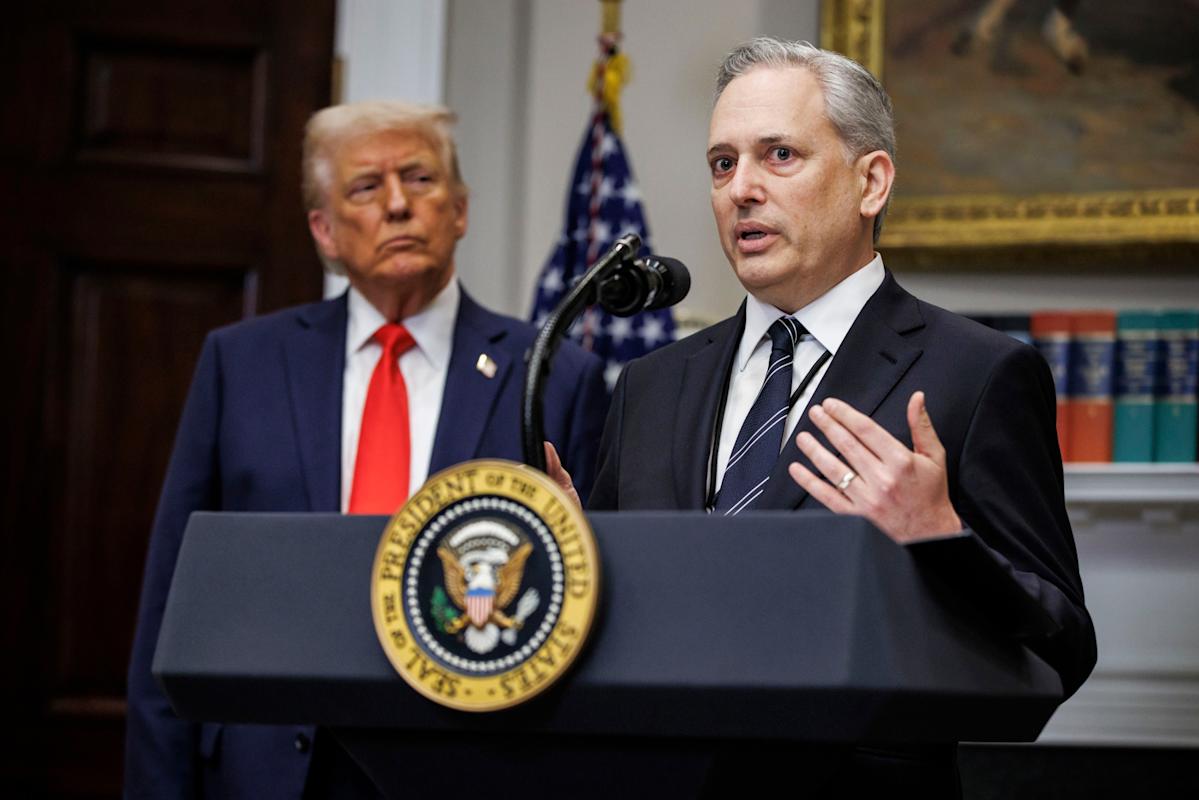
The recent statements from Trump administration officials indicate a firm stance against providing financial backstops for artificial intelligence (AI) companies, a position that surfaces amidst the backdrop of increasing public and governmental focus on the AI industry. This response follows comments made by Sarah Friar, the Chief Financial Officer of OpenAI, who suggested that a government backstop could facilitate financing within the AI sector. However, U.S. officials have unequivocally dismissed the idea, reaffirming that no such interventions are under consideration.
### Financial Backstop and AI Companies
The notion of a government financial backstop gained traction after Friar highlighted the potential need for federal guarantees to stabilize financing in the AI space. Her remarks generated significant attention from investors and industry leaders, igniting discussions about the role of government in mitigating risks associated with the rapidly growing AI sector. In the wake of these comments, White House AI Czar David Sacks stated clearly on social media that there would be “no federal bailout for AI,” reinforcing the administration’s unwillingness to support underperforming AI companies financially.
The administration’s stance adds clarity to its approach towards the burgeoning AI industry. Throughout its history, the federal government has approached various sectors with cautious optimism, often refraining from intervening unless absolutely necessary. In this case, officials emphasize that the U.S. is home to multiple major AI companies, positioning the industry in a dynamic environment where the failure of one entity could be supplanted by another. This competitive landscape is seen as an inherent strength, ensuring continued innovation and resilience without the need for government intervention.
### OpenAI’s Financial Commitment and Unprofitability
OpenAI itself has made a substantial commitment of $1.4 trillion towards developing data centers and enhancing its technological capabilities. However, concerns surrounding this financial trajectory have emerged, particularly given that OpenAI is currently an unprofitable business. This has led to fears of an AI bubble, wherein overvaluation and unsustainable growth could bring about significant market corrections—placing more pressure on the industry.
The reluctance of the Trump administration to discuss a bailout plan could be viewed under the lens of fiscal conservatism. Historically, large-scale bailouts of private companies have sparked significant political backlash, especially in the wake of economic hardships that have strained the public’s finances. Taxpayer funds being allocated to tech giants may generate discontent from voters who are grappling with rising living costs.
Moreover, Trump’s administration has previously taken steps that seem at odds with traditional conservative values, like pursuing federal investments in strategic industries, as seen with Intel Corp. Nevertheless, his recent comments express confidence in the AI sector’s future, proclaiming that “AI is going to be very helpful” and maintaining that the U.S. is leading the world in AI innovation.
### Implications for the AI Sector
The current discourse has far-reaching implications for the AI sector as it seeks to navigate unprecedented growth alongside financial scrutiny. The implications of the administration’s decisions extend beyond immediate financial concerns. They raise strategic questions about long-term sustainability for AI companies and broader industry stability.
Investors will need to reassess their strategies in light of the administration’s non-committal approach to financial support. The message is clear: companies relying on the expectation of government safety nets may need to recalibrate their financial models and risk assessments. This could drive AI companies towards more sustainable business practices, focusing on profitability and innovation, rather than anticipating a fiscal safety net in times of trouble.
Moreover, the ongoing dialogue surrounding AI regulation, ethical implications, and corporate governance can hardly be ignored. With AI technology influencing various aspects of society, from healthcare to finance, a lack of federal intervention could lead to more pronounced market risks. Technology companies may face growing demands for self-regulation, especially concerning potential biases in AI systems, privacy issues, and the overall societal impact of AI technologies.
### The Path Forward
The Trump administration’s resolute stance against a financial backstop may carve out a path for the future of AI that prioritizes innovation, resilience, and self-sufficiency. Without government bailouts, companies may be incentivized to develop more robust financial strategies, diversify their funding sources, and focus on long-term profitability.
In conclusion, the stance taken by the Trump administration highlights a pivotal moment for the AI sector, navigating through rapid advancements while managing financial realities. The messages conveyed by top officials, alongside the reactions from industry leaders, signify a clear intention to balance enthusiasm for AI with prudent fiscal management.
As the dialogue continues, stakeholders will have to remain vigilant about how tech companies adapt and respond to these challenges. The development of sustainable, ethical AI technologies will depend on collaborative efforts among companies, regulators, and society to shape a future where innovation thrives without relying on government interventions. The success of the AI industry will hinge on its ability to foster resilience, navigate market dynamics, and continue advancing while prioritizing the common good.
Source link


