
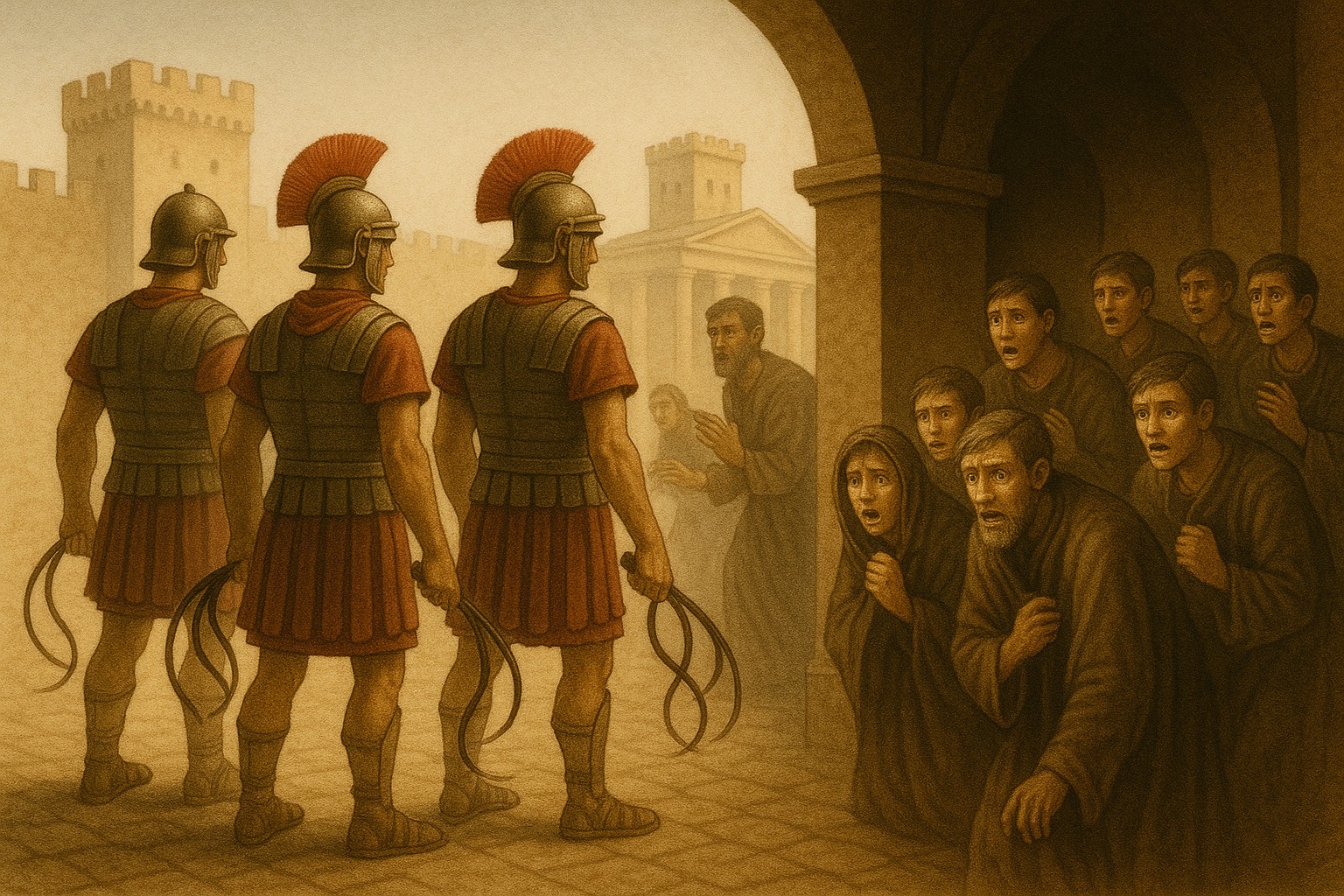
The concept of cruelty in political economies raises pertinent questions about human behavior, governance, and societal structures. Understanding the political economy of cruelty requires a nuanced exploration of why individuals and governments engage in harmful actions, and how these behaviors can be perpetuated within societal frameworks.
At its core, cruelty is defined as "disposed to inflict pain or suffering: devoid of humane feeling." This definition applies broadly to both individuals and governance systems. Individuals may exhibit cruelty when it becomes a function of their utility—satisfying their preferences when the costs are acceptable. This utility-based perspective continues to hold relevance even in the face of critiques of its simplistics, providing a lens through which we can evaluate actions taken by individuals and governments.
Cruelty in Governance
The question of why certain governments engage in cruel actions is multi-faceted, encompassing historical, psychological, and economic factors. Notable examples include the ongoing conflict between Russia and Ukraine, where civilian suffering is rampant, and U.S. immigration policies that inflict distress on vulnerable populations. While the magnitude of cruelty can differ, the underlying mechanics often share similar themes.
Governments may resort to cruel measures if these actions align with their strategic interests or policy objectives. By imposing severe consequences for dissent—including cruel punishments—they reduce instances of disobedience. When the state operates without stringent checks, it becomes easier for cruelty to manifest in policy decisions.
Understanding that the government is ultimately a collection of individuals is crucial. These individuals shape policies and enforce them, meaning that cruel policy often stems from a combination of individual motivations and systemic incentives. As such, the composition of government officials and their willingness to embrace cruelty becomes critical.
Selection of Cruelty
One of the most pronounced mechanisms through which cruelty proliferates is the self-selection of individuals into positions of power. People with a preference for cruelty are likely to gravitate towards governmental roles—be it politicians, law enforcement, or military officials. This creates a feedback loop, wherein cruel individuals attract others with similar dispositions, thereby reinforcing an environment in which cruelty flourishes.
Historically, leaders have manipulated public sentiment through scapegoating and propaganda, directing animosity towards marginalized groups. This tactic not only deflects responsibility from governmental failures but also consolidates support among more susceptible voter bases. The relationship between the rulers and the ruled is further complicated by the erosion of the rule of law, which can lead to increased governmental cruelty.
The Role of Hatred
In his analysis of political hate, economist Edward Glaeser has provided insights into how hatred serves as a commodity in the political landscape. When minority groups become convenient scapegoats, politicians can exploit this dynamic for electoral gain. The interplay between supply and demand for hatred creates a cycle where cruel rhetoric gains traction, often at the expense of truth.
Moreover, the average citizen’s rational ignorance plays a significant role. Faced with overwhelming costs of acquiring political knowledge, individuals may find themselves more susceptible to prevailing narratives of hatred propelled by their political affiliations. This ignorance allows for the persistence of divisive and harmful ideologies, further embedding cruelty in the political fabric.
Constraining Factors
Despite the propensity for cruelty to spread, certain constraints can curb its prevalence. Institutions, moral frameworks, religious values, and historical norms all play vital roles in shaping societal attitudes toward cruelty.
Philosopher Michael Huemer points out that over time, societal mores have shifted towards greater respect for individual dignity. However, this progress can be fragile. If institutional constraints dissolve, the potential for cruelty to re-emerge poses a significant threat. Totalitarian regimes exemplify how governments can revert to historical levels of cruelty when checks and balances erode.
Interestingly, a cruel government does not require a populace steeped in cruelty. A small faction of cruel individuals can enact policies that affect the broader society. Governments often redirect their cruelty towards those populations whose support they do not rely upon—namely, immigrants or foreign adversaries. Historical estimates, such as those by Professor Rudolph Rummel, indicate that authoritarian regimes have notoriously inflicted terror on their own citizens, often killing millions without justification.
Democratic Paradoxes
In democratic contexts, the dynamics of political cruelty can be particularly paradoxical. Even if a majority supports democratic ideals, individual preferences can shift towards supporting brutal governance during times of distress or instability. Voter sentiment can be a product of momentary emotions, leading to choices that prioritize perceived safety or security over civil liberties.
Consequences of Cruelty
A critical aspect of examining the political economy of cruelty is understanding its boomerang effect. Individuals who demand cruel policies directed at others may eventually find themselves on the receiving end of such cruelty. This is exacerbated by the pervasive presence of state power; the mechanisms designed to enforce cruelty can very well turn inward, affecting those who initially supported them.
Conclusion
The political economy of cruelty serves as a prism through which we can understand contemporary governance and societal behavior. By exploring the motivations behind individual and governmental cruelty, we unravel the complex tapestry that underpins these actions. Critical engagement with this subject allows us to address not only the harmful consequences of cruelty but also the broader societal structures that facilitate it. Ultimately, by fostering awareness and advocating for institutional checks, we can work towards building more humane societies that reject cruelty in all its forms.


