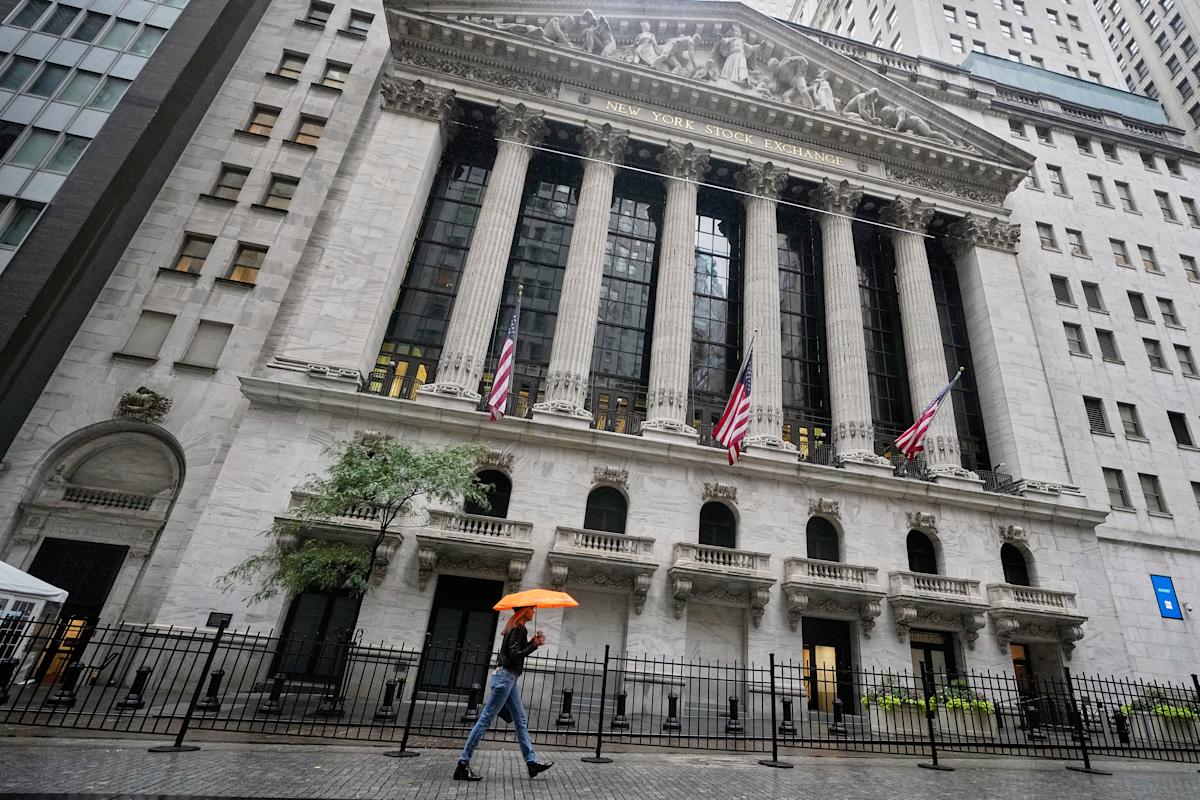
US markets have shown mixed signals recently, as the S&P 500 and Nasdaq have managed to rise amidst choppy trade, influenced by various factors including earnings reports, US-China trade tensions, and speculation surrounding future interest rate cuts. This article aims to provide an objective overview of the current state of the markets, examining the interplay between these elements.
### Market Performance Overview
On a recent trading day, the Dow Jones Industrial Average (DJI) remained largely unchanged, while the S&P 500 (GSPC) saw a rise of 0.4% and the tech-heavy Nasdaq Composite (IXIC) increased by 0.7%. Although these gains were notable, especially after the rocky performance earlier in the week, they illustrated the ongoing volatility characterizing the current market environment.
The positive momentum at the market’s open was buoyed by a strong start to the earnings season. Notably, Bank of America reported a 23% increase in profits, while Morgan Stanley’s earnings surged by 45%. These results have temporarily lifted market spirits, which have been dampened by ongoing concerns about US-China trade relations and a looming government shutdown.
### Earnings Influence
Earnings reports from major Wall Street banks have provided critical insights into the financial sector’s resilience. Bank of America’s robust performance was attributed to significant deal-making and trading activities, which played a pivotal role in supporting its bottom line. Morgan Stanley’s earnings, described by its CEO as “outstanding,” have further solidified investor confidence in large financial institutions.
However, not all companies have fared equally. Progressive Insurance’s stock tumbled over 6% after it reported a disappointing earnings performance, missing analysts’ expectations. The firm noted significant expenses due to regulatory changes, highlighting the challenges that some sectors face amid economic uncertainties.
### Interest Rate Speculations
Comments made by Federal Reserve Chair Jerome Powell have added to market anxiety and optimism in equal measure. Powell indicated that “downside risks to employment appear to have risen,” which suggests the possibility of more interest rate cuts in the near future. This has fueled investor speculation about the timing and magnitude of future policy changes.
Current market bets show heightened expectations for a rate cut later this month, with probabilities for December’s cut also increasing substantially. Rate cuts usually lead to lower borrowing costs, which can invigorate spending and investment, thereby providing a potential boost to equities.
### US-China Trade Tensions
Despite the optimism from earnings and interest rate expectations, persistent tensions between the US and China continue to weigh on investor sentiment. Recent comments from President Trump about potential actions against Chinese imports, particularly concerning cooking oil, indicate a willingness to escalate trade frictions. Furthermore, China’s sanctions on several US subsidiaries of South Korean firms have further clouded trade relations.
Treasury Secretary Scott Bessent offered a glimmer of hope by stating that a meeting between Trump and Chinese President Xi Jinping is still on the agenda. This meeting could potentially lead to resolutions that may stabilize trade relations, although skepticism remains high, given the current hostilities.
### Sector-Specific Movements
In addition to the broader index performance, specific sectors are experiencing notable shifts. For example, AMD’s stock surged over 6% after investor enthusiasm around its AI chip offerings and agreements with major companies like Oracle. This reflects the burgeoning interest in technology centered around artificial intelligence.
Conversely, regional bank stocks have shown weakness following their earnings reports, contrasting sharply with the large Wall Street banks. Regional institutions are grappling with a tightening margin environment and the need for continued growth in deposits.
The contrasting performances between large banks and regional institutions raise questions about the overall health of the banking system, especially as consumers face increased borrowing costs.
### Commodities and Cryptocurrency
While equities are battling for direction, commodities like gold have reached new heights. The price of gold surpassed $4,200 an ounce amid the geopolitical uncertainty that has influenced investor behavior towards hard assets. As the sentiment around risk continues to fluctuate, commodities like gold can serve as a safe haven for investors looking to mitigate risks.
Bitcoin, meanwhile, has struggled to maintain its recent gains, hovering around the $112,000 mark. The cryptocurrency’s inability to sustain positive momentum reflects broader market anxieties and a shift in investor focus toward safer, less volatile assets.
### Future Outlook
As we look forward, the coming weeks will be critical for the market. Earnings reports will continue to be a focal point, offering insights into corporate health amid ongoing economic challenges. The anticipated rates decisions by the Federal Reserve may also significantly influence market direction, as lower rates could provide much-needed support for equities.
Additionally, geopolitical factors, particularly US-China relations, remain a wildcard. A de-escalation in trade tensions could provide a much-needed boost to investor confidence, while further friction could lead to increased volatility.
### Conclusion
In summary, while the S&P 500 and Nasdaq have displayed resilience amidst a tumultuous trading environment, the outlook remains clouded by ongoing uncertainties. Corporate earnings have provided a temporary lift, but the intertwined issues of interest rate cuts, US-China trade tensions, and sector-specific performances will continue to play pivotal roles in shaping market direction. Investors should remain vigilant, as the landscape is fraught with both opportunities and risks. The balance between optimism and caution will likely dictate market movements in the coming weeks.
Source link