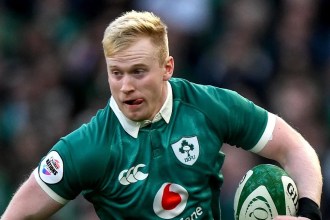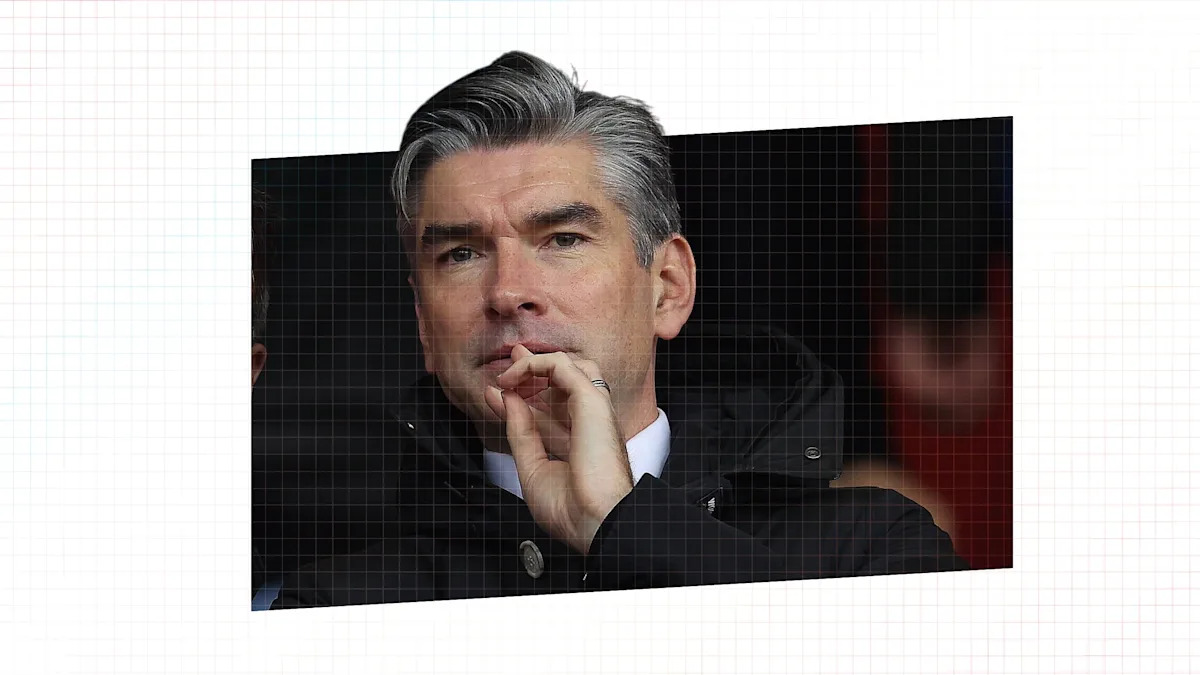
In the dynamic world of football, transfers, and player contracts generate significant interest among fans and analysts alike. Recently, the focus has shifted to Richard Hughes, who has spearheaded strategic negotiations that could have a profound impact on Liverpool FC’s future. The reported £70 million transfer agreement regarding Jarell Quansah is a key topic, and it raises questions about the club’s defensive strategy moving forward.
### Centre-Backs in Transition
Liverpool’s defensive line is at a critical juncture. The current roster includes seasoned professionals like Virgil van Dijk, Ibrahima Konate, and Joe Gomez—players who have significantly contributed to the club’s successes but are now facing uncertainty. Van Dijk, at 34, has less than two years remaining on his contract, creating speculation about his long-term tenure at Anfield. Conversely, Konate has yet to renew his deal, which puts him at risk of leaving for free at the end of the season. Meanwhile, Gomez’s inconsistent injury record has made him a candidate for potential transfers, as evidenced by last summer’s links to AC Milan.
Against this backdrop, the only player seemingly secure in his future at Liverpool is Leoni. However, his ongoing recovery from injury and the inherent unpredictability of young players make his long-term potential uncertain. The impending transformation of the backline suggests a critical need for Liverpool to strategize effectively for the future.
### The Strategic Move by Richard Hughes
Hughes’s decision to allow Quansah to join Bayer Leverkusen, while simultaneously negotiating a £70 million buy-back clause, reflects a calculated approach to player development. Rather than keeping Quansah on the bench or utilizing him in sporadic roles, Liverpool has prioritized giving him regular playing time. This is a crucial factor in the development of young talent, enabling players to gain experience and prove their abilities in competitive environments.
The buy-back clause is not merely a fallback plan. It demonstrates Liverpool’s recognition of Quansah’s potential. Having a pre-agreement in place indicates that the club sees a future for him at Anfield, aligning with their long-term vision of rejuvenating the defensive roster.
### Quansah’s Accelerated Development
Quansah is currently making strides at Leverkusen, showcasing his skills on international platforms such as the UEFA Champions League. His impressive performance against Benfica, characterized by key statistics such as a clean sheet, most dribbles on the pitch, and significant contributions to defensive duties, underscores why he is viewed as a rising star. His capacity to cover extensive ground—11 kilometers—while making the most clearances illustrates his readiness for higher stakes. Such performances should convince Liverpool’s management that Quansah is not just a future prospect but a player who could seamlessly integrate into their tactical framework.
### Future Implications for Liverpool’s Defense
The looming changes in Liverpool’s defensive composition present both challenges and opportunities. With the uncertainty surrounding key players, Hughes’s foresight in negotiating the buy-back deal with Leverkusen could serve as a vital lifeline. Should Liverpool need to replace players like Van Dijk or Gomez in the near future, a player like Quansah, who is becoming accustomed to high-level competition, could be pivotal.
Additionally, the importance of continuity and depth in the squad cannot be overstated. The transition to newer, younger players can help provide a fresh perspective while maintaining competitive integrity. The club’s long-term investment in a player of Quansah’s caliber could be a cornerstone strategy as they navigate potential upheavals in their defensive lineup.
### The Road Ahead
Looking ahead, the Liverpool faithful can anticipate heightened levels of excitement surrounding their club’s youth academy and recruitment strategies. If Hughes’ approach proves successful, it may signal a broader trend within the club to invest in youth talent and provide them with the requisite exposure to develop at the highest levels of competition.
Moreover, the ongoing dialogue between Hughes and Liverpool reflects modern football’s evolving landscape, where clubs must balance immediate needs with future aspirations. This perspective is essential for maintaining competitiveness in both domestic and European arenas.
### Conclusion
In sum, Richard Hughes’s agreement on a £70 million future transfer for Jarell Quansah holds significant implications for Liverpool FC’s defensive future. The club finds itself on the brink of a transformative period, with potential departures of key players presenting both challenges and opportunities. Quansah’s development at Leverkusen and the strategic buy-back clause speaks to Liverpool’s commitment to fostering emerging talent and ensuring the sustainability of their competitive edge.
As football continues to evolve, so too must clubs adapt their strategies to secure long-term success. In this regard, Hughes’s foresight and Liverpool’s commitment to nurturing young potential could serve as a blueprint for how elite clubs navigate the complexities of player contracts and transfers in the modern game. The future looks promising for Liverpool, with their focus on both immediate triggers and long-term vision suggesting that they are preparing meticulously for whatever lies ahead.
Source link