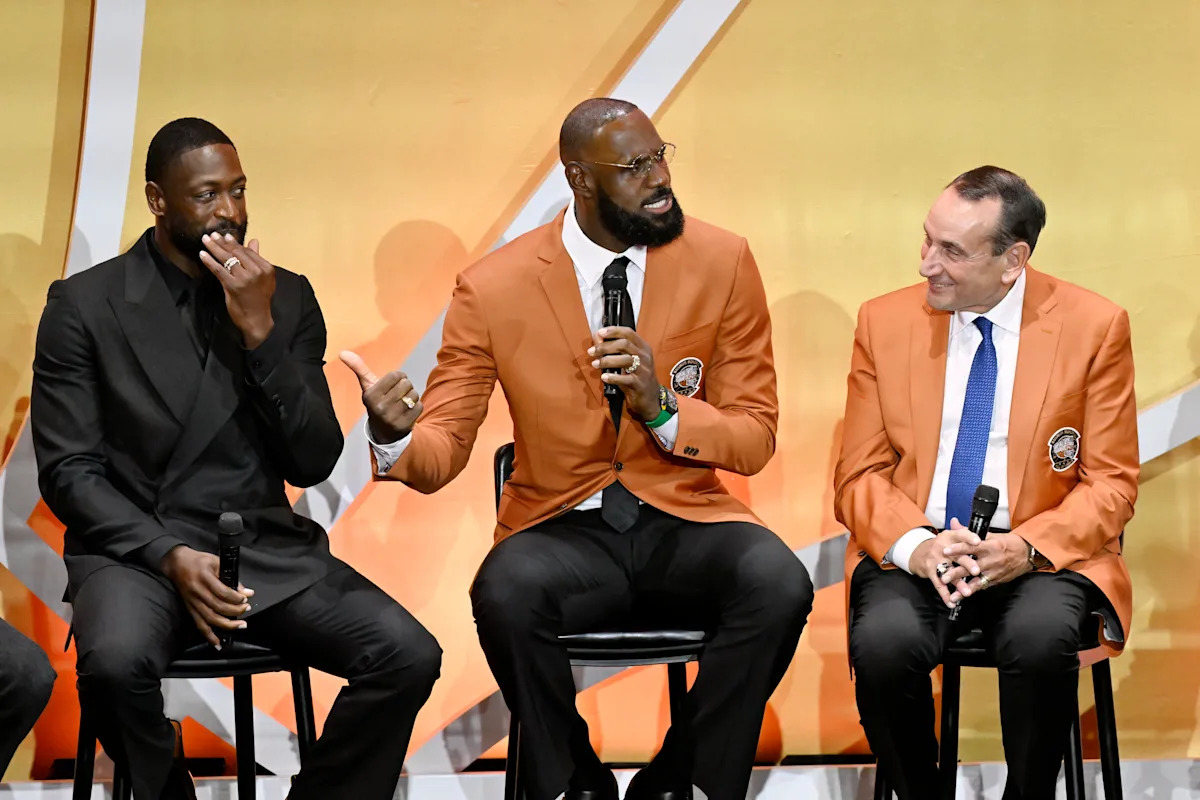
In recent years, the growing geopolitical tensions between the United States and China have permeated various sectors, including sports. Among the figures attempting to bridge this divide is NBA superstar LeBron James, who, during a recent visit to China, employed what many are calling "basketball diplomacy." This concept of using sports as a means of fostering goodwill, understanding, and communication between nations has been historically significant, and James seems to be stepping into this role as a cultural ambassador.
LeBron’s Chinese Op-Ed: A Unique Gesture
During his trip to China, James made headlines by writing an op-ed for the People’s Daily, a major state-run newspaper in China. This rare opportunity for a foreign celebrity to publish a piece in a state media outlet highlights the significance of his visit. In the op-ed, James articulately stated, “Basketball is not only a sport, but also a bridge that connects us.” This statement reflects his belief in basketball as a universal language, one that transcends borders and cultural differences.
James’ exceptional status in the NBA offers him a unique platform to speak on matters that extend beyond the basketball court. The article was notable not only for its content but also for the platform it was published on, suggesting a willingness from the Chinese government to engage with popular Western sports figures as a means to soften the narrative around U.S.-China relations.
A Push for Normalcy in NBA Relations
James’ visit comes at a crucial time when the NBA is attempting to restore its brand in China after the fallout from a tweet by former Houston Rockets general manager Daryl Morey in 2019. Morey’s expression of support for Hong Kong protesters led to a significant backlash, resulting in the temporary suspension of NBA broadcasts in China and a chilling effect on the league’s relations with its Chinese fanbase.
However, recent efforts by the NBA to mend these ties have included visits from other star players like Stephen Curry and De’Aaron Fox, who have received enthusiastic receptions during their trips. These diplomatic sporting engagements seem to be a deliberate strategy to rebuild goodwill and foster connections between the NBA, its players, and Chinese fans.
James’ visit, which included a stop in Chengdu, was met with overwhelming support from local fans. He described the reception as “humbling,” noting that such love from far-off fans encouraged him to reciprocate by investing in and giving back to the community.
Basketball Diplomacy: An Established Concept
The idea of using sports as a tool for diplomacy isn’t new. Historical examples abound—from Table Tennis Diplomacy, which helped thaw U.S.-China relations in the 1970s, to South Africa’s rugby diplomacy during the post-apartheid era. Sports often transcend politics, offering a platform for people to connect based on shared interests rather than cultural or political differences.
In the case of LeBron James, his position as an international sports icon puts him in a unique position to facilitate understanding. His influence and visibility can help humanize both cultures, making it easier for fans in both countries to relate to one another.
Challenges Remain: Geopolitical Context
While James and the NBA make strides in improving relations, the larger geopolitical context cannot be ignored. The U.S.-China relationship is complex and fraught with challenges, including trade tensions, human rights issues, and conflicting political ideologies. Whether basketball diplomacy can have a lasting impact on these serious matters remains to be seen.
Furthermore, James himself has faced criticism in the past for his political stances and comments related to social justice issues. Some skeptics argue that while sports diplomacy is valuable, it cannot fully mask the underlying tensions between the U.S. and China.
The Road Ahead: Shared Goals and Future Engagements
Looking forward, the NBA, with figures like LeBron James leading the charge, has an opportunity to continue fostering goodwill between the U.S. and China. Upcoming NBA pre-season games scheduled for October in Macao between the Phoenix Suns and Brooklyn Nets signify a continuing effort to rekindle interest in basketball among Chinese fans.
James’ involvement in these interactions not only enhances his global brand but also reinforces the idea that sports can serve as a viable forum for dialogue. Such engagements are crucial, especially when political leaders often fall short in their attempts to bridge divides.
One of the most promising aspects of basketball diplomacy is its focus on shared human experiences: the thrill of competition, the joy of teamwork, and the sense of community that sports create. If these connections can lead to deeper understanding and better relations between nations, the potential of basketball diplomacy is immense.
Conclusion: Beyond the Court
LeBron James’ current efforts highlight the transformative power of sports in diplomacy. While the challenges posed by geopolitical tensions are significant, James exemplifies how athletes can serve as ambassadors of goodwill. His op-ed in the People’s Daily and enthusiastic reception in China not only showcase his influence as a sports figure but also express a broader yearning for connection amid division. In the quest for peace and understanding, perhaps basketball can indeed serve as a bridge—uniting fans and nations through shared passion and respect for the game.
In an era of increased globalization and connectedness, sports diplomacy may just be one of the most impactful avenues for fostering dialogue and reconciliation. As James continues to navigate this delicate landscape, the true question remains: can basketball diplomacy lead to tangible improvements in international relations, or will it merely serve as a momentary reprieve from the complexities of global politics?