In recent weeks, the phenomenon of green sex toys being thrown at sports events has drawn significant attention, starting in the WNBA and making its way to the NFL during a preseason game. This unusual trend has sparked conversation not only about the actions themselves but also about their implications for sporting events and the messages that such actions convey.
### The WNBA Incident
The trend began in late July when a green sex toy was tossed onto the court during a game between the Golden State Valkyries and the Atlanta Dream. Public reaction to the incident was mixed; while some viewed it as a humorous act of protest, others deemed it a demeaning and dangerous disruption. As the phenomenon escalated, several other incidents occurred in various arenas, prompting serious concern among players, coaches, and league officials.
Notably, players voicing their discomfort highlighted the objectification inherent in these actions, and the potential for physical harm—especially as one of the toys reportedly struck a 12-year-old girl at a New York Liberty game. In response, the WNBA expressed its intent to pursue criminal charges against individuals caught throwing such objects, indicating that the league takes the situation seriously.
### Transition to the NFL
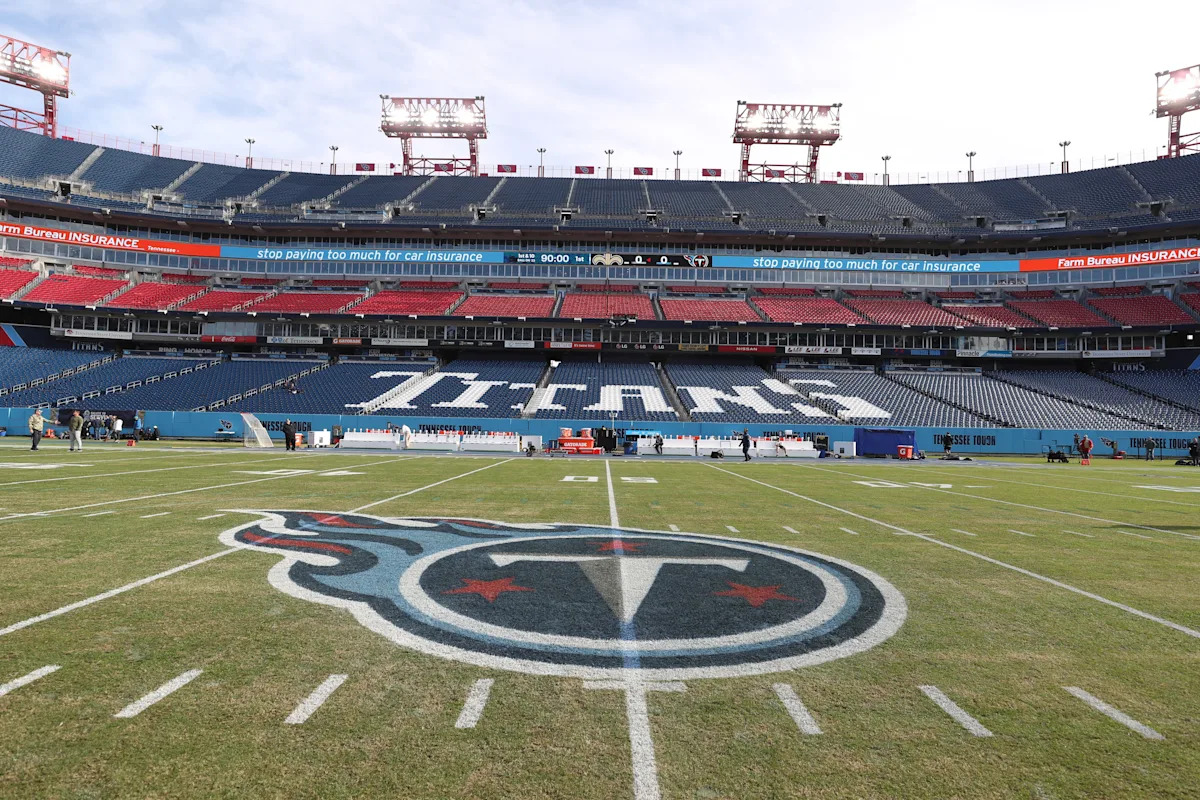
The narrative took a notable turn when a green sex toy made its debut in the NFL during the Tennessee Titans’ preseason game against the Minnesota Vikings. This incident at Nissan Stadium demonstrated a troubling transition of this trend from one league to another, raising alarms about the unfolding nature of fan behavior in professional sports. The Titans have since reported this occurrence to local authorities, capturing images of the incident in an attempt to investigate the matter further.
While the sex toy was thrown during a significant moment of the game, with both teams gathered at midfield, it largely went unnoticed by players and spectators alike. This lack of awareness raises questions about spectators’ environments at stadiums and the extent of distractions that could affect players’ focus during critical plays.
### The Role of Cryptocurrency Group
Interestingly, a cryptocurrency group claimed responsibility for the movement behind these incidents, framing it as part of a larger initiative. However, the group has been careful to dissociate itself from the criminal activities that have ensued. Their communication emphasizes a shift in strategy, signaling potential plans to move beyond the WNBA and towards other venues.
The crypto angle adds an additional layer of complexity to the narrative; it highlights how technology and modern forms of protest can intertwine with traditional sporting events. Nevertheless, these protests have been met with increasing resistance and disdain from those involved in the leagues.
### Previous Context in the NFL
Historically, the presence of sex toys at NFL games is not entirely without precedent. Fans of the Buffalo Bills famously have a history of throwing such objects onto the field, particularly in games against the New England Patriots. However, the phenomenon has been viewed as somewhat tongue-in-cheek—a sort of cultural oddity that does not pack the same microaggressions as the recent incidents.
Yet, this new trend reflects a cultural shift where objects typically reserved for private spaces are introduced into public sporting arenas, blurring the lines of decency and appropriateness. The broader implications of this trend are far-reaching: they speak to issues of gender, respect, and the manner in which interactions between fans and athletes evolve through new media landscapes and cultural norms.
### Cultural and Social Implications
This recurrence of green sex toys at high-profile sporting events raises significant cultural and ethical questions about gender representation and the environment within which professional athletes perform. The ongoing dialogue should prompt reflection on the attitudes toward women in sports and how these can be perceived as both playful and problematic.
The WNBA, known for championing women’s rights and representation, finds itself facing a conundrum: how to protect its players while still engaging with a fanbase eager to protest and communicate their views, albeit through means that can be seen as hostile.
### Concluding Thoughts
As the phenomenon of green sex toys transitioning from the WNBA to the NFL unfolds, it serves as a reminder of the ongoing issues of fan behavior in sports and the societal attitudes toward women. While the playful atmosphere of sports has often embraced eccentricity, it’s crucial to consider the implications of these actions, particularly when they involve demeaning representations and potential harm.
Sporting leagues must engage with this issue comprehensively, balancing fan engagement with a commitment to creating a safe and respectful environment for all athletes. The larger societal conversation—about gender, protest, and public norms—will likely continue to evolve as these events unfold, pushing boundaries and challenging assumptions about what is deemed acceptable in public sports culture. Ultimately, the conversations that emerge from these incidents could pave the way for greater awareness and change within both the WNBA and NFL, signaling a potential shift in how we regard public displays of dissent and the responsibility of sports organizations to uphold respect and dignity within their arenas.
Source link
:max_bytes(150000):strip_icc()/GettyImages-2223867539-328ab929773045dab4241765178c2c8b.jpg?w=150&resize=150,150&ssl=1 "Tesla Leads Mega-Cap Tech Stock Rally After Powell Points to Possible Rate Cut")