
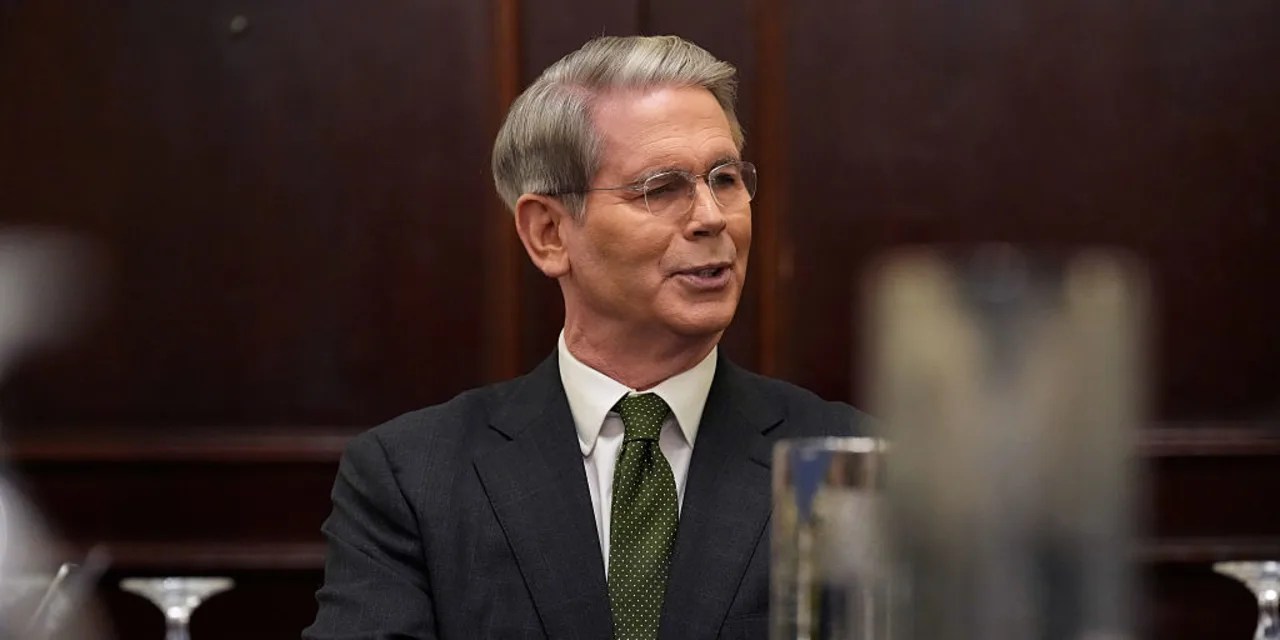
The ongoing government shutdown, now extending beyond its 26th day, is starting to have tangible effects on the U.S. economy. Treasury Secretary Scott Bessent emphasized these repercussions during a recent interview, highlighting that the impacts are already being felt in multiple sectors, particularly in travel and commerce. As federal workers, including air traffic controllers, continue their duties without pay, concerns about efficiency and safety are rising, revealing the broader implications of prolonged legislative deadlock.
### Economic Impacts of the Shutdown
Government shutdowns, while not unprecedented, recalibrate the dynamics of economic stability. This current shutdown exemplifies how quickly issues can escalate when critical governmental functions are disrupted. With air traffic control personnel continuing to work without compensation, there is heightened risk of operational delays. These interruptions not only affect individual travelers but can lead to cascading effects on industries reliant on timely transport, such as tourism and goods distribution.
The economic slowdown is exacerbated by the reality that consumer confidence can decline in response to uncertainty regarding government operations. As businesses and individuals become apprehensive about fiscal policies and future economic prospects, discretionary spending typically decreases. This results in reduced revenues across various sectors, ultimately contributing to a slower GDP growth rate.
### Federal Workers and Their Roles
One of the most pressing human aspects of the government shutdown is the impact on federal workers. Hundreds of thousands of employees are facing financial uncertainty without their regular paychecks. Air traffic controllers, for example, are categorized as essential personnel and must continue their jobs despite not receiving immediate payments. This situation generates not just logistical challenges but also raises morale and security concerns among these critical workers.
The shutdown affects multiple federal departments, thereby impacting everything from public health inspections to national park operations. Delayed inspections and operations can have ripple effects, with the potential to affect food safety regulations or wildlife conservation efforts, which play a crucial role in sustaining both public health and environmental integrity.
### Public Services Under Strain
Public services, which rely on federal funding and support, also face significant disruptions. Essential programs such as federal housing assistance, disaster relief, and healthcare services are jeopardized. These interruptions hit low-income populations and vulnerable communities the hardest, amplifying socioeconomic inequities. As federal programs stall, local governments often struggle to fill the gaps with limited resources, leading to further strain on community services.
Additionally, programs associated with economic stability, like unemployment benefits, can be delayed, pushing already strained households into further financial anxiety. This presents a broader societal concern, as economic uncertainty typically fuels higher rates of stress and mental health issues among affected individuals.
### Business Community’s Perspective
From a business perspective, the stall in federal functions raises questions about continuity and business planning. Companies that rely on government contracts face immediate financial implications when services are suspended. Small businesses, in particular, can suffer profound effects due to their limited cash reserves.
The longer the shutdown persists, the more it can inhibit entrepreneurial optimism. Businesses may delay new investments or hiring decisions as they navigate the uncertain landscape exacerbated by the shutdown. Additionally, industries that rely heavily on government interactions, such as construction, defense contracting, and research institutions, find themselves in a precarious position.
### Potential Resolutions and Future Consequences
As discussions around the resolution of the shutdown continue, it’s crucial to understand the potential long-term consequences, should the deadlock persist. Failure to resolve the shutdown not only stands to impact immediate economic conditions but could also influence the future legislative environment. Repeated shutdowns risk normalizing political gridlock as an acceptable component of governance, leading to increased cynicism among the electorate and a potentially decreased faith in governmental efficacy.
In light of these potential consequences, it is essential for lawmakers to work toward bipartisan agreements that not only resolve the shutdown but also address underlying issues contributing to frequent fiscal crises. Proactive dialogue around budget negotiations and fiscal planning can foster a more stable economic environment and create resilience against future shutdown scenarios.
### Conclusion
The effects of the current government shutdown are reverberating across the United States economy, revealing deep vulnerabilities in our systems of governance and public service. As air traffic delays increase and federal personnel continue to work without compensation, the potential for economic slowdown looms large. It’s essential for lawmakers to recognize the broader implications of their legislative choices and to prioritize bipartisan solutions that can restore confidence and stability.
Continued dialogue is key, as is a commitment to ensuring that such a disruption does not become a common occurrence. The focus should not merely be on ending the shutdown but on increasing the overall efficacy of government functions, thereby supporting a stable and thriving economy in the long term. Without decisive action, the consequences will likely extend beyond immediate financial implications, affecting many aspects of life and governance in the United States.
Source link


