
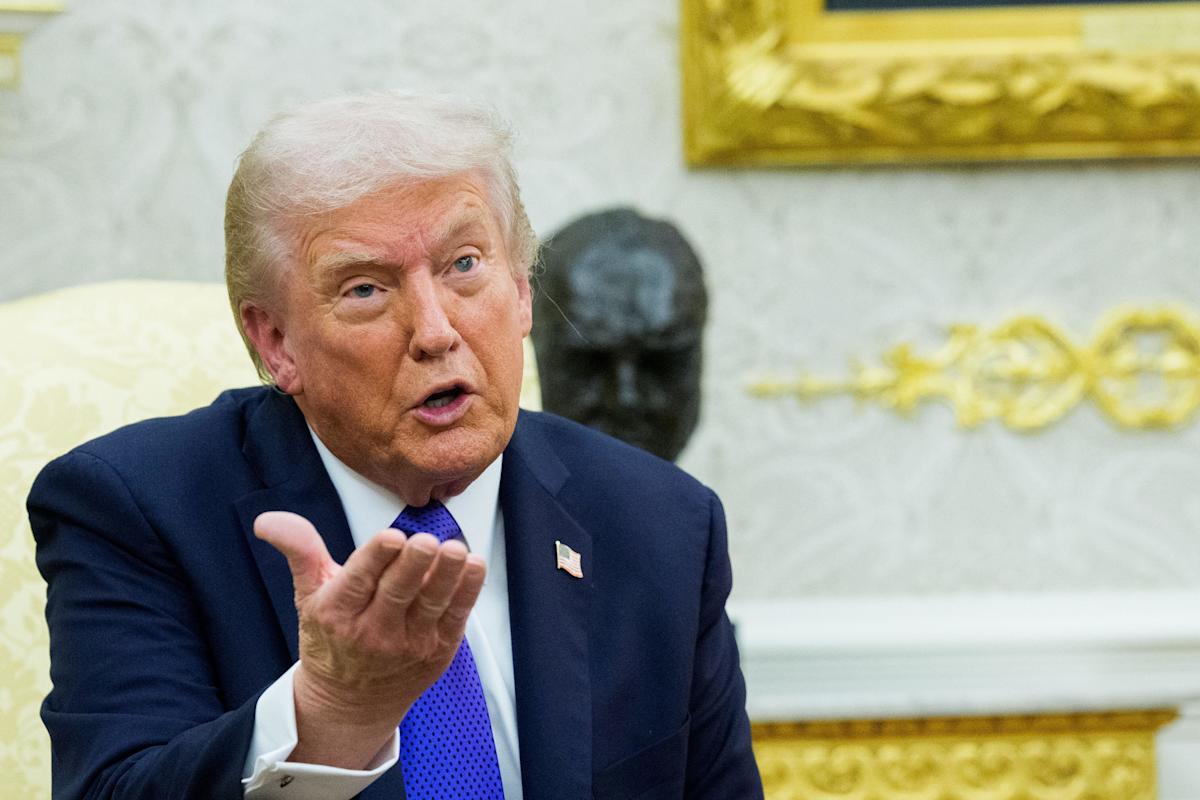
European stocks exhibited a mixed performance recently while oil prices experienced a significant surge, reaching a two-week high. This market activity occurred in light of newly enacted US sanctions targeting Russia’s two largest oil producers, Rosneft and Lukoil. Such developments underscore the fluctuating dynamics in global finance, particularly as geopolitical tensions continue to influence market behaviors.
### Overview of the Recent Sanctions
The sanctions, which are among the first major U.S. actions since Donald Trump resumed the presidency, aim to intensify pressure on the Kremlin amid its ongoing conflict in Ukraine. With the freezing of all U.S. assets belonging to Rosneft and Lukoil, American businesses and citizens are prohibited from engaging with these companies, marking a considerable shift in U.S. foreign policy.
Furthermore, the U.S. Treasury has indicated it may impose secondary sanctions on foreign financial institutions trading with Rosneft and Lukoil—a potential disruptor for banks facilitating Russian oil sales in major markets like China, India, and Turkey.
### Impact on Oil Prices
As a direct consequence of these sanctions, Brent crude oil prices surged by 4.7%, reaching $65.53 per barrel, and extending a prior gain of 2.1%. Experts suggest the sharp increase in oil prices reflects both immediate concerns over supply disruptions and the geopolitical climate, which, driven by U.S. policy, seems to show little sign of stabilization.
Joshua Mahony, a chief market analyst, remarked that the increased oil prices highlight a changing mindset, as Trump’s impatience with the situation intensifies. The ongoing war in Ukraine has put additional strain on markets, particularly as Russian and Ukrainian forces continue to vie for control over the strategically significant Donbas region.
### Analyzing European Stock Movements
Despite the uptick in oil prices, European stock markets were mixed. London’s FTSE 100 index saw an increase of 0.6% as shares in oil majors rallied alongside crude prices. Conversely, Germany’s DAX index fell by 0.4%, while France’s CAC traded slightly up by 0.4%. The overall pan-European STOXX 600 managed a modest gain of 0.3%.
In the wake of the sanctions and rising crude prices, investors might still be cautious. The volatility introduced by political decisions can create uncertainty that affects trading strategies. Notably, the potential for a positive Wall Street opening, with S&P 500 futures, Dow futures, and Nasdaq futures showing positive numbers, brings a glimmer of hope for market participants seeking stability.
### Influences on Currency and Import Dynamics
The British pound recently experienced a slight decline against the U.S. dollar, trading at approximately 1.3344. This fluctuation further emphasizes the interconnectedness of global currencies with commodities and equities. A weaker pound can lead to inflationary pressures, particularly for imports, which can, in turn, influence stock market performance.
The scenario revolving around India’s oil import strategies adds another layer to the conversation. Reports suggest India may reduce its imports from Russia to zero, aiming for better trade conditions with the U.S., including cutting tariffs. Nonetheless, the feasibility of transitioning energy supplies remains uncertain, particularly in light of Russia’s existing stronghold on the market.
### Conclusion: The Path Forward
The mixed performance of European stocks, combined with the rise in oil prices stemming from geopolitical tensions and newly imposed sanctions, paints a complex picture of the current financial landscape. Investors will likely continue to respond to the evolving situation in Ukraine, as the international community grapples with how to manage its relationship with Russia while securing energy supplies.
The next few weeks are critical; markets will closely monitor the implications of U.S. foreign policy decisions and their impact on global oil supply chains. Continued vigilance will be paramount as investors navigate these turbulent waters. Adjustments in policy, trade agreements, and foreign relations will collectively shape the market trajectories in the coming months, leading to both opportunities and challenges for stakeholders involved in this dynamic global market.
In summary, while the sanctions against Rosneft and Lukoil are seemingly a robust strategy to bring about resolution in Ukraine, they also present significant ramifications for oil prices, European stocks, and global economic interactions. Investors would benefit from maintaining a balanced view, preparing for potential volatility while leveraging opportunities as they arise.
Source link


