
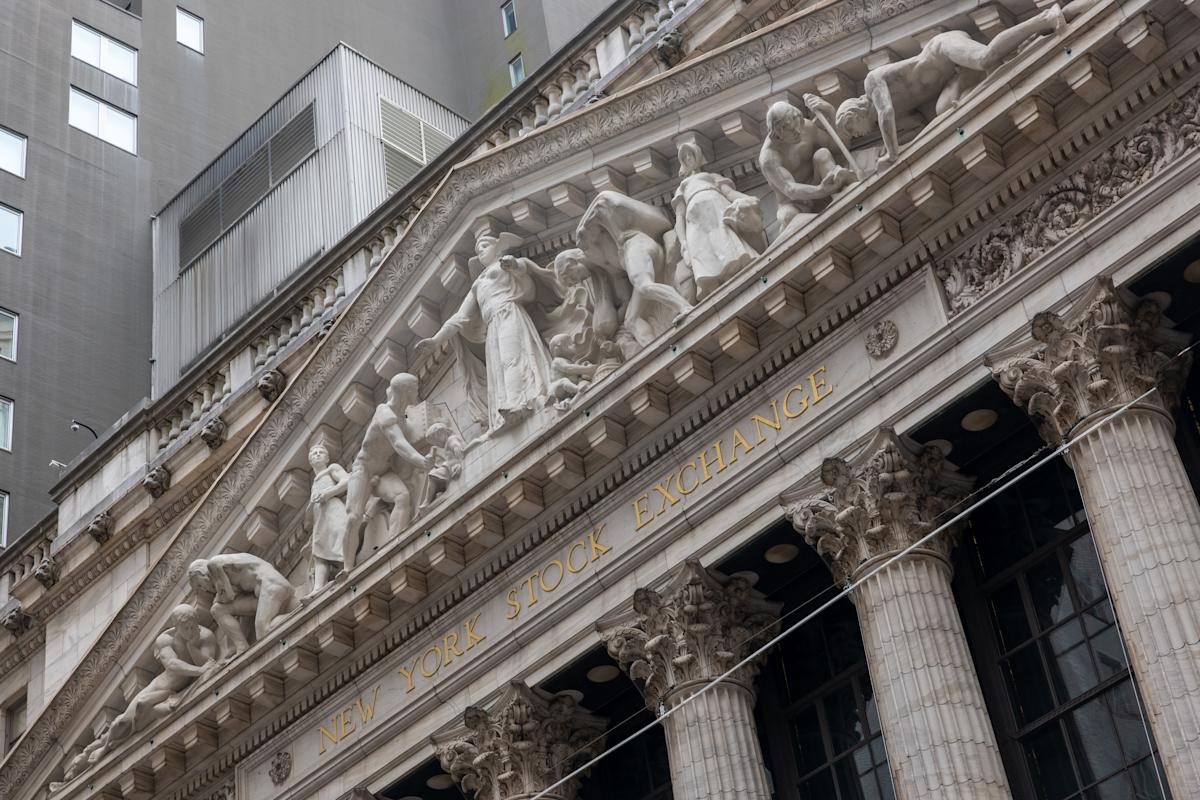
US stocks experienced notable gains on Friday, with the Dow Jones Industrial Average rising approximately 0.6%, the S&P 500 climbing by 0.5%, and the Nasdaq Composite edging up by 0.2%. These increases come after a challenging stretch characterized by three consecutive days of losses for the major indices. Market sentiment shifted positively as investors processed key economic data alongside ongoing geopolitical developments.
The Personal Consumption Expenditures (PCE) index report for August was particularly significant. The core PCE, which excludes volatile food and energy prices, rose by 2.9% year-over-year and by 0.2% month-over-month. This was in alignment with economists’ expectations. Despite these stable readings, inflation remains higher than the Federal Reserve’s 2% target, prompting ongoing discussions about future interest rate adjustments.
In political news, President Trump introduced a new tariff regime that added layers of complexity to already challenging market conditions. He announced a 100% tariff on imports of branded drugs for pharmaceutical companies that don’t have manufacturing in the US. This proposal stalled plans of many drug companies and negatively impacted their shares internationally following the announcement. Additionally, tariffs on heavy trucks and certain furniture categories were slated to take effect on October 1, further stirring uncertainty among investors.
Reacting to this news, shares of companies such as Wayfair and RH dropped significantly as they brace for potential increases in manufacturing costs. These developments highlight ongoing concerns over how businesses might navigate the evolving landscape shaped by tariffs and trade agreements.
Amid increased scrutiny over these economic indicators and political moves, Treasury yields remained largely unchanged following the PCE report. The 30-year yield hovered around 4.74%, while the 10-year yield was stable at 4.16%. Traders are increasingly anticipating a potential rate cut in the Federal Reserve’s upcoming October meeting, with current projections suggesting an approximately 88% likelihood of this outcome.
On an industry-specific note, Costco reported a slight decline in stock price despite exceeding revenue expectations, as investors seemed unconvinced about its sales momentum in discretionary categories. Meanwhile, businesses involved with sectors impacted by tariffs are clearly grappling with how to adjust their pricing strategies in light of increased production costs.
Moreover, President Trump’s moves regarding TikTok, which involves spinning off its US operations from ByteDance, have also sparked considerable discussion in the market. Analysts expressed mixed views about the $14 billion proposed price, reflecting concerns that it undervalues a significant player in the social media space.
A broad analysis of market trends indicates a cautious optimism among investors, juxtaposed against wary sentiments driven by trade wars, inflationary pressures, and potential governmental instabilities. For instance, while drug manufacturers may feel a temporary reprieve through possible exemptions, companies in the furniture sector are bracing for what many predict could be a challenging trade environment.
In light of recent data and tariff implications, stock performance has shown a tenuous relationship with broader economic factors. Despite short-term gains, many investors remain on edge, grappling with persistent inflation and the implications of trade policies. With anticipatory sentiment regarding the Federal Reserve’s forthcoming interest rates, market participants are likely to closely monitor how these variables influence market stability in the months ahead.
### Conclusion
Overall, while the stock market’s rebound on Friday is a positive sign, underlying economic challenges persist. The interplay between tariffs, inflation, and consumer sentiment sets the stage for a complex investment environment. Investors will need to stay informed and adaptable, particularly as further developments concerning interest rates and government policies unfold. The resilience of major indices in the face of such issues will be tested in the coming weeks, making it crucial for stakeholders to closely watch how these events play out.
Source link


