
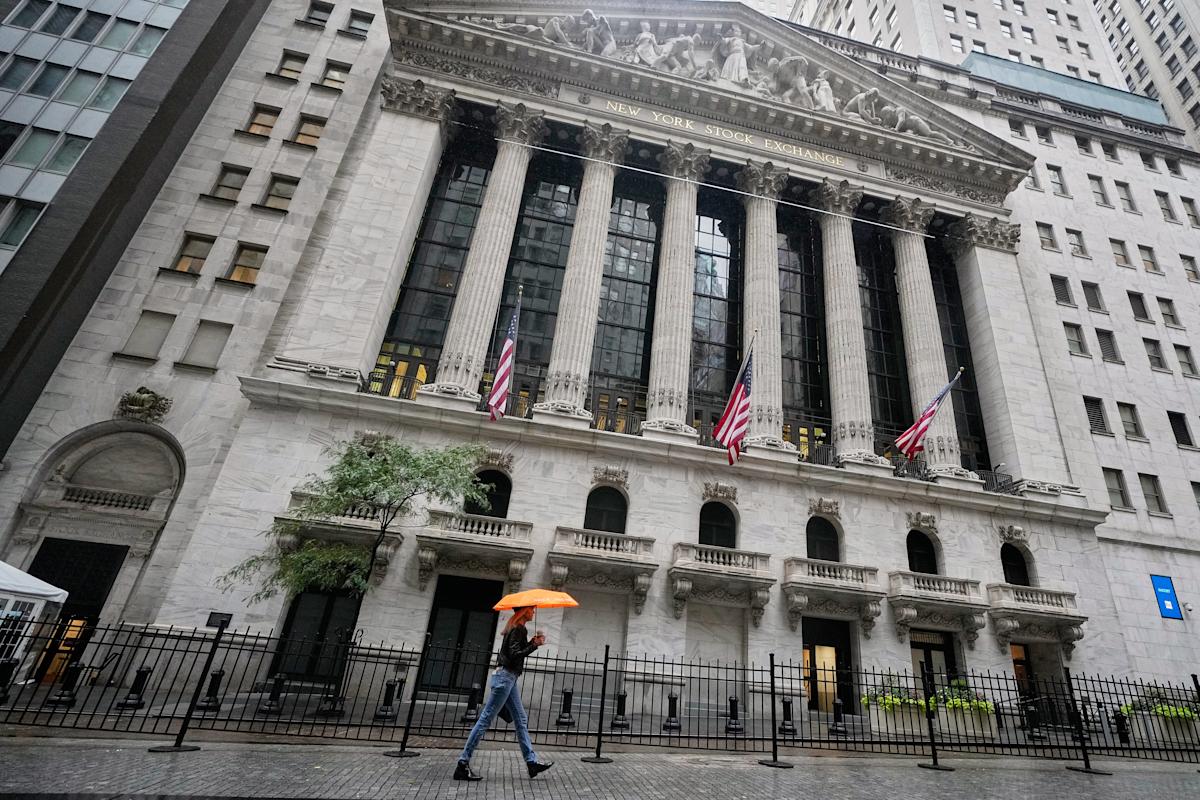
US stock market momentum has recently fluctuated, notably represented by the Dow Jones Industrial Average, S&P 500, and Nasdaq Composite, which faced challenges amid a backdrop of strong bank earnings and rate-cut anticipations. As of Wednesday, all three indexes struggled to maintain earlier gains, reflecting the market’s ongoing volatility fueled by a mix of economic uncertainties.
The session commenced on an optimistic note, driven by robust quarterly earnings from major financial institutions. Notably, Bank of America reported a 23% profit surge, and Morgan Stanley experienced a remarkable 45% profit increase, reinforcing the narrative of a resurgence in Wall Street’s activity amid a bustling deal-making environment. Such results contribute to an atmosphere of cautious optimism that investors had hoped would translate into sustained stock market gains. Despite the initial enthusiasm, the markets quickly lost momentum, as the undercurrents of US-China trade tensions and the impending government shutdown loom large.
Federal Reserve Chair Jerome Powell’s remarks also played a pivotal role in shaping market sentiment. Powell indicated a potential softening of employment conditions, which many interpreted as a signal for possible future interest rate cuts. With increasing bets on a rate cut anticipated later this month and December estimates rising to approximately 96%, investors are looking for every sign of economic direction. However, the ongoing lack of clarity due to the government shutdown has delayed the release of critical economic indicators, leaving investors on edge.
Compounding the market’s instability are persistent tensions between the US and China. Recent comments from President Trump regarding potential embargos on Chinese goods further escalated anxiety. Trump’s remarks followed a series of retaliatory actions from China impacting US businesses. While these developments create uncertainty, Treasury Secretary Scott Bessent’s assertion that Trump still intends to meet with Chinese President Xi Jinping later in the month offers a glimmer of hope for de-escalation.
Contrasting the robust performance of mega banks like Bank of America and Morgan Stanley, regional banks experienced a downturn after reporting weaker than expected third-quarter earnings. Companies such as Citizens Financial Group and PNC saw their stocks dip, raising concerns over the state of household balance sheets as higher commercial deposit costs impact net interest margins.
Amid these dynamics, notable stock performances emerged from companies like AMD and Nvidia. AMD shares surged as analysts projected significant gains from the company’s AI chip business and recent partnerships, showcasing the tech sector’s potential to thrive even amid market turbulence. Nvidia also benefited from upgrades amid optimistic views about its AI chip prospects, illustrating a growing confidence in technology amid a perceived market bubble.
Moreover, the precious metals market continued to flourish as gold reached record highs, trading above $4,200 an ounce. The rising prices reflect a broader trend of investors seeking safety in hard assets amid market volatility. Analysts are divided on whether the current prices signify overvaluation or if there is room for further growth, with some projecting bullish scenarios based on foreign asset reallocations.
In conclusion, the US stock market currently finds itself at a crossroads, influenced by strong bank earnings, the prospect of interest rate cuts, and ongoing geopolitical tensions. While optimism exists, particularly in the financial and technology sectors, uncertainty surrounding US-China relations and the federal government’s ability to address economic indicators remains a significant concern. As investors prepare to navigate this intricate landscape, vigilance and adaptability will be paramount in harnessing opportunities amid prevailing challenges.
Source link


