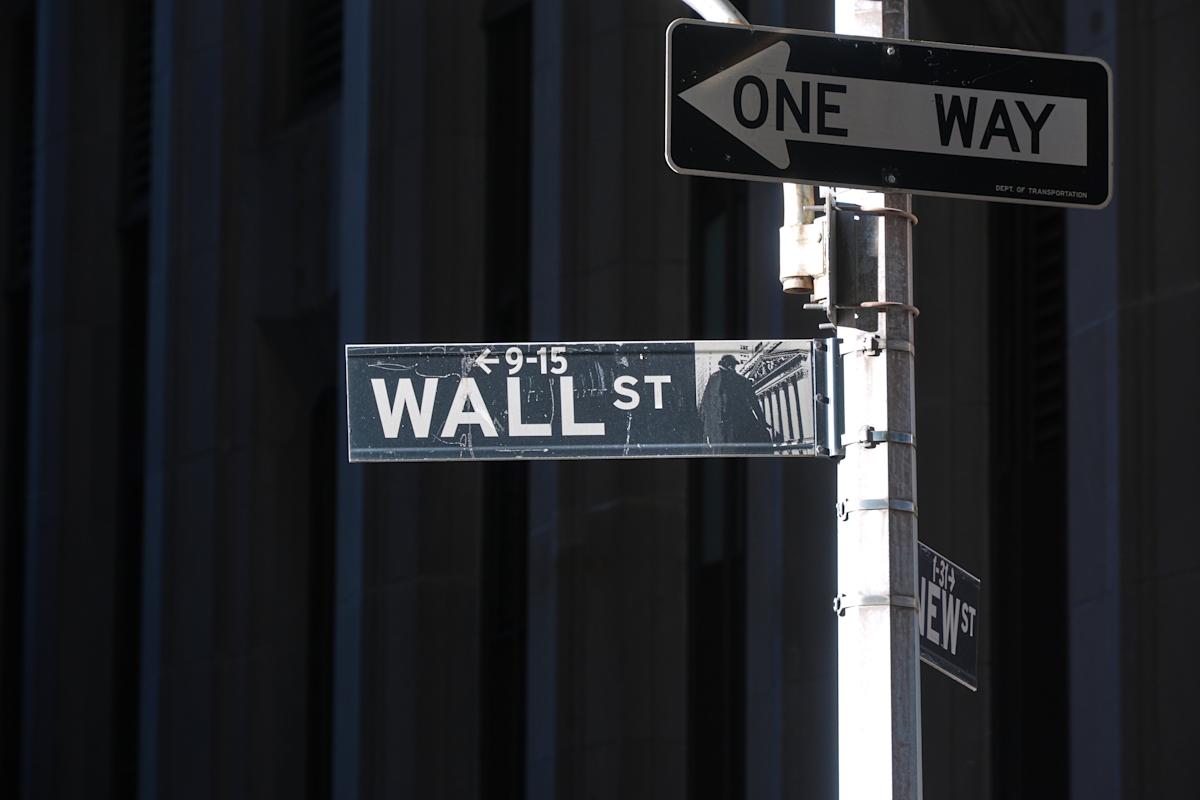
In recent days, U.S. stock futures showed signs of recovery after a turbulent period marked by a significant tech sell-off. The Dow Jones Industrial Average futures rose by 0.2%, alongside a 0.3% gain each for the S&P 500 and Nasdaq 100 futures. This slight rebound comes on the heels of a troubling day for Wall Street where the Nasdaq Composite plummeted 1.9%, and the Dow lost nearly 400 points. Over the week, the S&P 500 has fallen 1.8%, with the Dow and Nasdaq down 1.4% and 2.8%, respectively.
### Tech Sector Turmoil
One of the primary drivers of the recent decline has been the weakness observed among mega-cap technology and artificial intelligence stocks. Industry giants like Nvidia (NVDA), Advanced Micro Devices (AMD), and Microsoft (MSFT) witnessed significant losses, which, in turn, pulled major indexes lower. This downturn underscores the volatility in the tech sector, where investors are grappling with both high valuations and potential growth slowdowns.
Adding to the mix, Tesla (TSLA) announced a staggering $1 trillion pay package for CEO Elon Musk during a shareholder meeting. Initially, this news prompted a brief 2% spike in Tesla’s stock price. However, this increase quickly faded in after-hours trading, suggesting that investor confidence remains tentative.
### Employment Figures and Market Sentiment
Another critical factor weighing on the market is the labor landscape. Recent data reveals that job cuts for October have hit their highest level in over two decades. This trend indicates that 2023 could potentially end up being one of the worst years for job layoffs since 2009. Market participants are increasingly wary, as this data often foreshadows broader economic challenges.
With the Bureau of Labor Statistics expected to release its October nonfarm payrolls report, many were looking forward to key insights. However, due to the ongoing government shutdown, this release has been delayed for the second consecutive month. Economists had been forecasting a decline of about 60,000 jobs and an increase in the unemployment rate to 4.5%. The uncertainty surrounding these figures adds another layer of trepidation for investors who are already navigating a wary market.
### Upcoming Catalysts for Change
Despite the current challenges, market participants are cautiously optimistic about potential catalysts that could stabilize sentiment. Key among these is the resolution of the government shutdown, which could provide clarity and boost confidence among investors.
Moreover, speculation around a possible rate cut by the Federal Reserve in December is generating discussions about improved market conditions. Such moves could reinvigorate risk appetite, particularly among investors who have been on the sidelines during this recent sell-off.
Additionally, Nvidia’s forthcoming earnings report is another focus point. Given the company’s pivotal role in the tech landscape, strong earnings could galvanize investors and help restore optimism amidst the negativity seen in recent weeks.
### Broader Implications of Market Dynamics
The implications of the recent market dynamics stretch beyond just numbers and charts. The tech sector, long viewed as a growth engine for the U.S. economy, is displaying signs of strain. If this trend continues, it may not only impact stock prices but could also influence broader economic conditions.
The Supreme Court’s review of tariff policies under former President Donald Trump is also set to inject uncertainty. Tariffs have significant ramifications for trade and domestic industry, and any verdict could lead to immediate shifts in market expectations.
Moreover, as investors position themselves for the close of the week, the sentiment remains tense. The prevailing atmosphere indicates that many are bracing for continued volatility, particularly as they prepare for upcoming economic indicators.
### Conclusion
Navigating the complexities of the current stock market landscape requires a keen understanding of both internal and external factors. As futures indicate a slight upward movement, it remains to be seen whether this marks the beginning of stabilization or if it is merely a temporary respite amidst ongoing uncertainty.
The convergence of rising job cuts, tech sector losses, and significant upcoming events suggests that investors should remain vigilant. As the week progresses, staying informed about changing market environments will be crucial for making sound investment decisions.
In summary, while modest gains in stock futures are somewhat encouraging, the overarching sentiment still leans towards caution. Investors are tasked with balancing optimism for potential future catalysts against the realities of current economic challenges. With various influencing factors at play, addressing the complexities of Wall Street will require nuanced understanding and strategic foresight.
Source link