
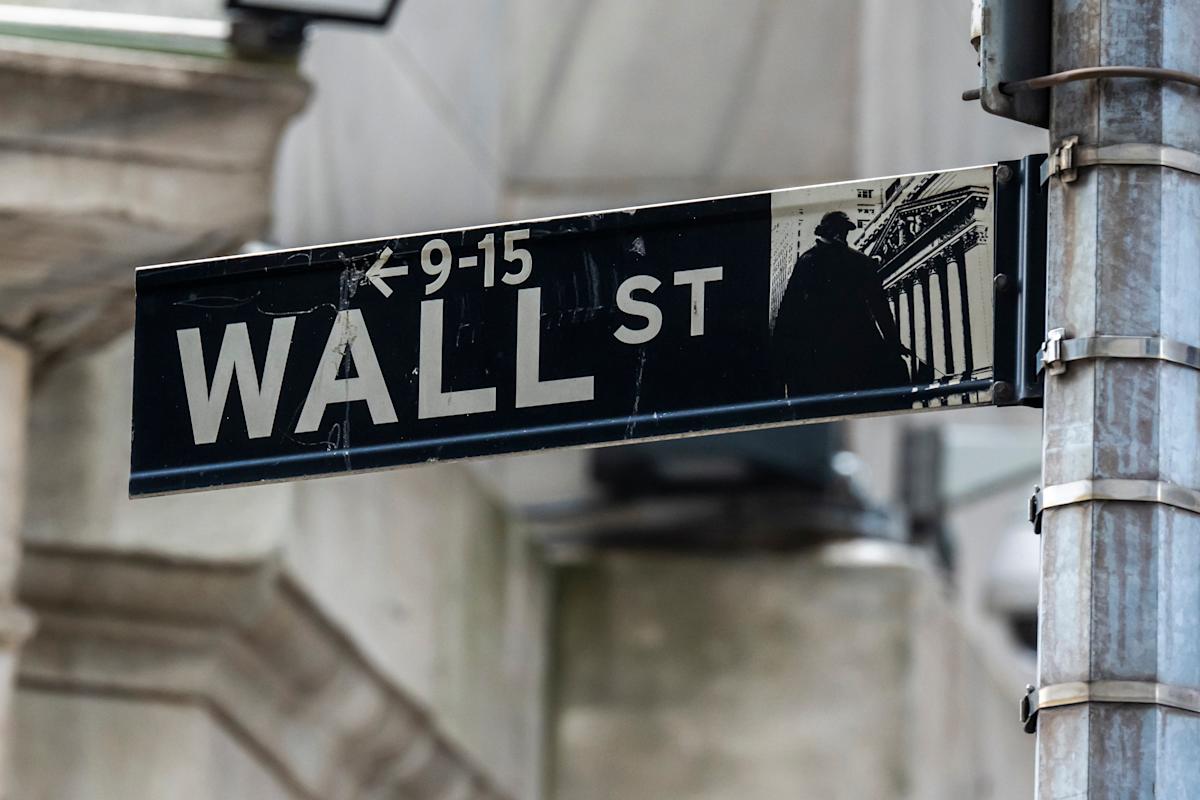
US stocks experienced a notable retreat from recent record highs this past Friday as market participants adjusted to new consumer inflation data that indicated rising prices, further complicating the economic landscape. The Dow Jones Industrial Average fell by nearly 0.5%, the S&P 500 dipped about 0.7%, and the Nasdaq Composite, heavily influenced by tech stocks, led the decline with a drop of 1%. This pullback followed a week characterized by optimism driven by signs of economic resilience, which had propelled the major indexes to record levels just a day earlier.
### Inflation Impact
The inflation data released on Friday was critical in shaping market movements. The core Personal Consumption Expenditures (PCE) index, a key measure closely monitored by the Federal Reserve, aligned with economist expectations by rising 0.3% month-over-month and 2.9% year-over-year. Notably, this annual increase represents the largest rise since February and positions inflation above the Fed’s comfort zone of 2%. While the numbers reflected expected outcomes, their implications raised concerns regarding the Fed’s ability to manage inflation while supporting economic growth.
### Fed Rate Expectations
Traders had anticipated these developments, leading to an increased probability of a rate cut by the Fed during its upcoming September meeting. Following the release of the PCE data, markets were pricing in an approximately 87% chance of a quarter-point rate cut. Fed Chairman Jerome Powell’s speech during the Jackson Hole symposium hinted at potential easing measures, bolstering these expectations. This sentiment was echoed by Fed Governor Christopher Waller, who expressed support for a September rate cut amidst emerging signs of weakness in the labor market.
### Market Context
Despite the declines observed on Friday, the broader context of the market remains one of stability and strength. The month of August is set to close with the major indexes poised for solid gains. The Nasdaq Composite was looking at a 2% increase, making it the fifth consecutive month of positive performance—its longest winning streak in nearly 18 months. The S&P 500 and Dow were also on track for their fourth consecutive monthly gains, with expected increases of 1.6% and 2%, respectively.
The Russell 2000, which includes smaller cap firms, is anticipated to achieve a remarkable 6% gain for August, marking its longest streak of positive monthly performance in over four years. This resilience across various indexes signals investor confidence, even in light of inflationary pressures.
### Broader Economic Signals
The market’s performance over the last week was further influenced by broader economic factors, including earnings reports from major technology companies such as Nvidia. The ongoing speculation surrounding AI technologies also continues to captivate market attention, despite concerns about the sustainability of recent stock surges. Additionally, geopolitical tensions have added layers of complexity to market dynamics. Notably, issues involving the U.S. Federal Reserve, such as the ongoing political pressures surrounding potential changes to its leadership, further complicate the economic landscape.
### Conclusion
In summary, while Friday’s drop in the major U.S. stock indices reflects ongoing market vigilance regarding inflationary pressures, the recent data showcases a broader economic environment characterized by resilience. Despite the pullback, the prospect of consecutive monthly gains across the indices underscores a complex interplay between optimism and caution. Investors remain hopeful that the Federal Reserve will navigate this landscape effectively, balancing the need for rate adjustments while fostering continued economic growth.
Looking ahead, the upcoming Labor Day holiday signifies a pause for market participants, but the reopening of markets will likely ignite further discussions around inflation, potential rate cuts, and the overall economic outlook. As we approach September, all eyes will be on the Fed’s next moves and the subsequent impact on market dynamics. With evolving economic data and shifting investor sentiments, the journey towards stabilization amidst inflation will demand keen attention and strategic navigation from both market players and policymakers alike.
Source link


