
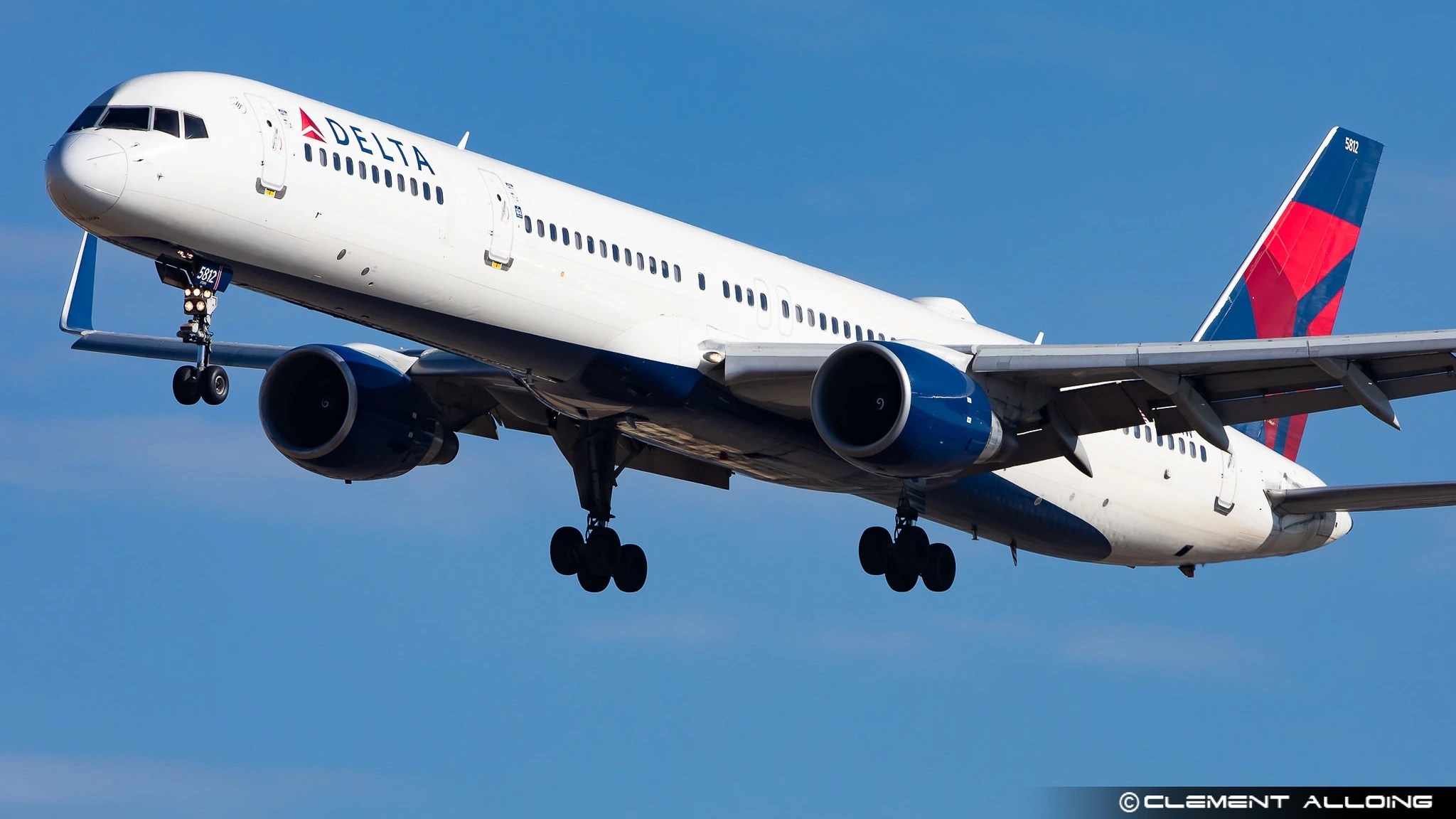
In the highly competitive airline industry, customer satisfaction and loyalty play critical roles in shaping the long-term success of carriers. Recently, Delta Air Lines has emphasized the significance of the economy class experience, asserting that it is vital for their growth strategy. This perspective sharply contrasts with American Airlines, which, while investing heavily in premium products, appears to overlook the needs of its economy passengers.
### The Core Importance of Economy Class
During his address at the Morgan Stanley Laguna Conference, Glen W. Hauenstein, president of Delta Air Lines, highlighted the essence of economy class in the airline’s strategy. He pointed out that the vast majority of airline customers will initially travel in economy before progressing to upper-class products. This understanding positions Delta at a competitive advantage, especially as it aims to build long-term loyalty among passengers.
According to industry insights, most airline customers aspire to move up the cabin hierarchy over time—from standard economy to premium economy and finally into business class. Delta’s approach is centered around nurturing this customer journey by prioritizing enhancements in economy class. This strategy not only retains existing customers but attracts new ones who may eventually transition to premium offerings.
### American Airlines’ Premium-Led Strategy
On the other hand, American Airlines has focused much of its recent investments on premium products. Upgrades to the Boeing 787-9, premium lounges, and revamped Airbus A321XLR cabins indicate a commitment to elevating the passenger experience at the front of the plane. However, this focus comes at a cost; the investment in economy class appears lacking.
Economy passengers on American Airlines often report an outdated service experience with few enhancements compared to competitors like Delta, United, and Alaska Airlines. Amenities such as seatback entertainment and improved buy-on-board food options, which have become standard offerings elsewhere, are noticeably absent or underwhelming on American flights. This gap creates a disconnect between the airline’s premium aspirations and the reality faced by the majority of their travelers in economy.
### The Full Passenger Journey
The passenger experience extends beyond just the amenities available in specific classes. Policies affecting overall convenience can greatly influence customer satisfaction. American Airlines has faced criticism for policies like requiring passengers to recheck bags on separate tickets and imposing limitations on same-day routing changes. Such practices undermine the premium service image that American seeks to project, negatively impacting all passengers.
Furthermore, baggage mishandling significantly affects customer experience, with American Airlines leading the U.S. carriers in this category. Even when luggage is managed properly, delays in delivery can sour perceptions of the airline, cheapening the entire travel experience.
### The Need for a Holistic Approach
For American Airlines to successfully transition into a premium carrier, it must address the economy class experience. Improvements could include adding more extra legroom seating, enhancing the quality of purchasable food, and integrating seatback entertainment systems. Each touchpoint in the economy class experience should reinforce a commitment to quality and service.
However, enhancing the product is just one part of the equation; a cultural shift within the organization itself is also necessary. Employees must understand their role in delivering quality service across all cabins, and leadership should prioritize clear communication of values down to middle management. A consistent message about the importance of every customer’s experience is crucial.
### A Long Path to Premium Status
Shifting towards a truly premium airline experience requires more than occasional upgrades or refurbishments. It necessitates an ongoing commitment to improving all levels of service and investing consistently over a long period. American Airlines has the opportunity to carve out its niche in the competitive airline market, but this will largely depend on how it values the economy traveler.
To build genuine customer loyalty and encourage upward mobility within cabin classes, American must treat economy class as the foundational aspect of its brand perception rather than an afterthought. By investing equally in all aspects of its service, the airline can create a more cohesive and appealing experience for passengers across all segments.
As the airline industry continues to evolve, Delta’s focus on the economy class experience highlights a critical strategy that could shape customer perceptions profoundly. By disregarding the importance of economy, American Airlines risks alienating its most significant customer base and ultimately undermining its premium aspirations.
### Conclusion
In summary, the latest developments reveal a stark contrast between Delta Air Lines and American Airlines in their treatment of economy class. While Delta invests in enhancing the experience for economy passengers, American’s emphasis on premium offerings has resulted in a less favorable landscape for its economy customers. To achieve long-term success and foster loyalty, American Airlines must recognize the vital role of economy travelers and develop a balanced strategy that elevates the experience across all classes. The challenge for American is clear: If it wishes to substantiate its premium status, it must first create a robust foundation in economy class, harmonizing the passenger journey from the outset.
Source link


