
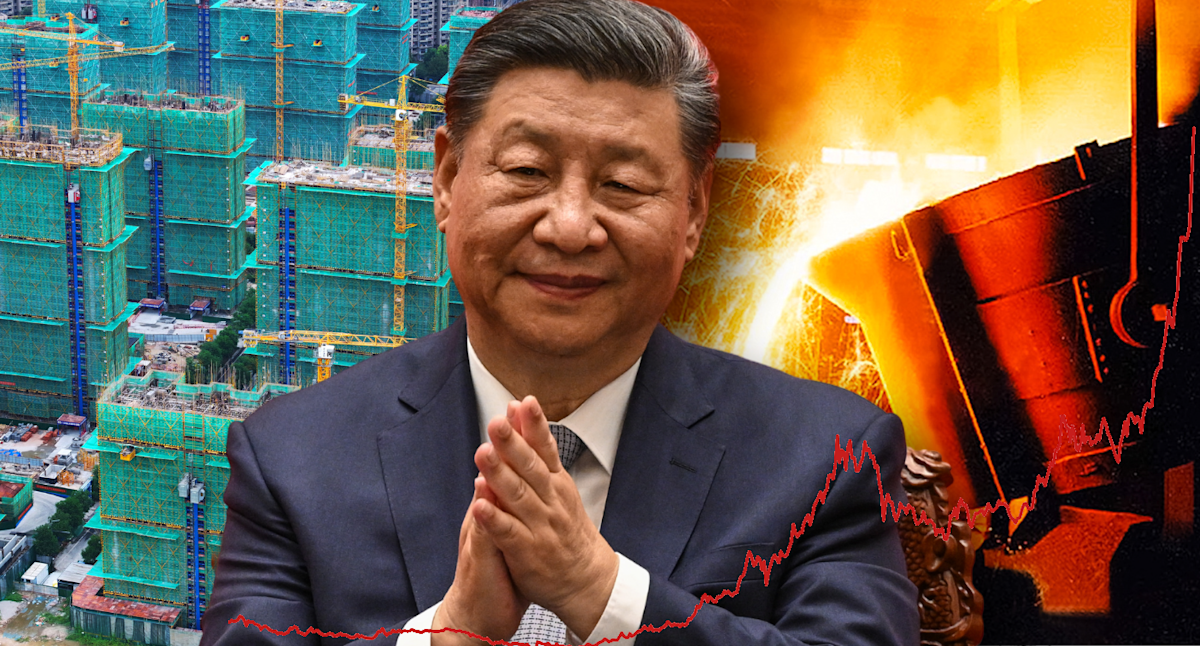
China is at the forefront of the world’s economic landscape, particularly in the realm of gold purchasing. The surge in gold prices is reflective of a strategic maneuver by the nation, serving as a “firewall against weaponization” in the broader context of international finance and geopolitical tensions. This article delves into the implications of China’s gold acquisition strategy and its correlation with the rising prices of gold, contextualizing it within the changing dynamics of the global economy.
### The Historical Context of Gold
Gold has served as the backbone of economic systems throughout history, from ancient Rome’s Aureus to the golden riches of Spanish conquistadors. Yet, in recent decades, it fell out of favor with many financial institutions. Central banks in countries like Australia, Canada, and the UK liquidated significant portions of their gold reserves, viewing it as a relic of the past. For years, prices languished below historical highs, reflecting a general sentiment that gold was an outdated asset.
However, the landscape shifted dramatically following geopolitical events, particularly after the freezing of Russian reserve assets during the Ukraine crisis. This act underscored gold’s inherent advantage: it cannot be easily sanctioned. Influential voices, including financial analyst Simon Ree, have pointed out that this realization has driven countries, especially China, to treat gold as a strategic asset in the face of economic uncertainty.
### China’s Strategy in Gold Acquisition
China has aggressively ramped up its gold purchases in recent years, responding to global economic shifts and vulnerabilities exposed globally. Since 2019, central banks worldwide have increasingly invested in gold, with net purchases soaring from 605 tons to over 1,300 tons in mid-2023. This uptrend in demand was mirrored by a notable price increase, with gold soaring from approximately $1,632 in October 2023 to an impressive $4,082 by 2025.
China’s strategy isn’t solely focused on accumulation for its own reserves; it aims to position itself as a global custodian of gold for other nations. This ambition signals growing geopolitical influence and trust, as nations often rely on robust relationships to secure their reserves.
### Current Market Dynamics
The rising gold prices have much to do with multiple interconnected dynamics. Increased speculative demand among Chinese households and growing interest from central banks worldwide has created a feedback loop where prices continue to surge. Analysts like Torsten Slok of Apollo Global Management have remarked on this clear correlation, emphasizing how China’s aggressive buying has shaped current market conditions.
Furthermore, hedge fund manager Ray Dalio suggests that gold is increasingly seen as a “riskless asset,” akin to U.S. Treasury holdings. This shift could potentially redefine investment strategies globally, signaling a broader transition away from traditional fiat-based reserves toward tangible assets like gold.
### Divergent Perspectives on Rising Gold Prices
The financial community remains divided on the implications of rising gold prices. Some see this trend as an indictment of reckless fiscal policies and a lack of faith in fiat currencies. For these analysts, gold’s re-emergence as a central asset indicates a critical juncture in the global financial order, threatening the U.S. dollar’s long-standing dominance.
Conversely, others consider the current enthusiasm for gold as speculative, possibly leading to a bubble akin to previous historical spikes following the abandonment of the gold standard in 1971. Nevertheless, even skeptics acknowledge that the circumstances surrounding gold’s rise are unique and influenced by pressing geopolitical realities.
### The Transparency of China’s Gold Reserves
A pervasive theory circulating within financial circles, dubbed by some as “The Great Gold Conspiracy Theory,” proposes that China is stockpiling gold at a rate far exceeding official governmental declarations. If true, these clandestine acquisitions would reflect a deep-seated strategy aimed at fortifying China’s economic position in a volatile global market.
### Implications for Global Finance
As gold prices reach unprecedented heights, the question looms: what does this mean for the future of global finance? Should current trends persist, it may indicate a seismic shift in how nations view reserves and safe-haven assets. Depending on how this plays out, the result could either reinforce the existing system or herald a new paradigm centered around asset-backed currencies.
Implicit within this shift is the potential for increased volatility in global markets, especially if central banks were to alter their asset allocations fundamentally. It illustrates a growing distrust toward traditional fiat currencies, particularly those dominated by Western powers.
### Closing Thoughts
As China’s gold acquisition strategy unfolds, its implications will likely reverberate throughout the global economy. The precious metal, once deemed obsolete by many, is reinvigorated through modern-day geopolitical tensions and economic uncertainties. Gold serves as a reliable counterweight against the risks associated with currency devaluation and economic sanctions, making it an essential asset in an increasingly multipolar world.
What remains to be seen is how long this trend will last and whether it will lead to lasting changes in the global financial architecture. As nations maneuver for position, gold will undoubtedly remain a focal point of scrutiny and strategy, signifying not just wealth but a strategic bulwark against financial weaponization in tournaments over power and influence. In answering the question of what China is up to, we may find that the unfolding gold saga is just the beginning of a larger narrative about the future of global finance.
Source link


