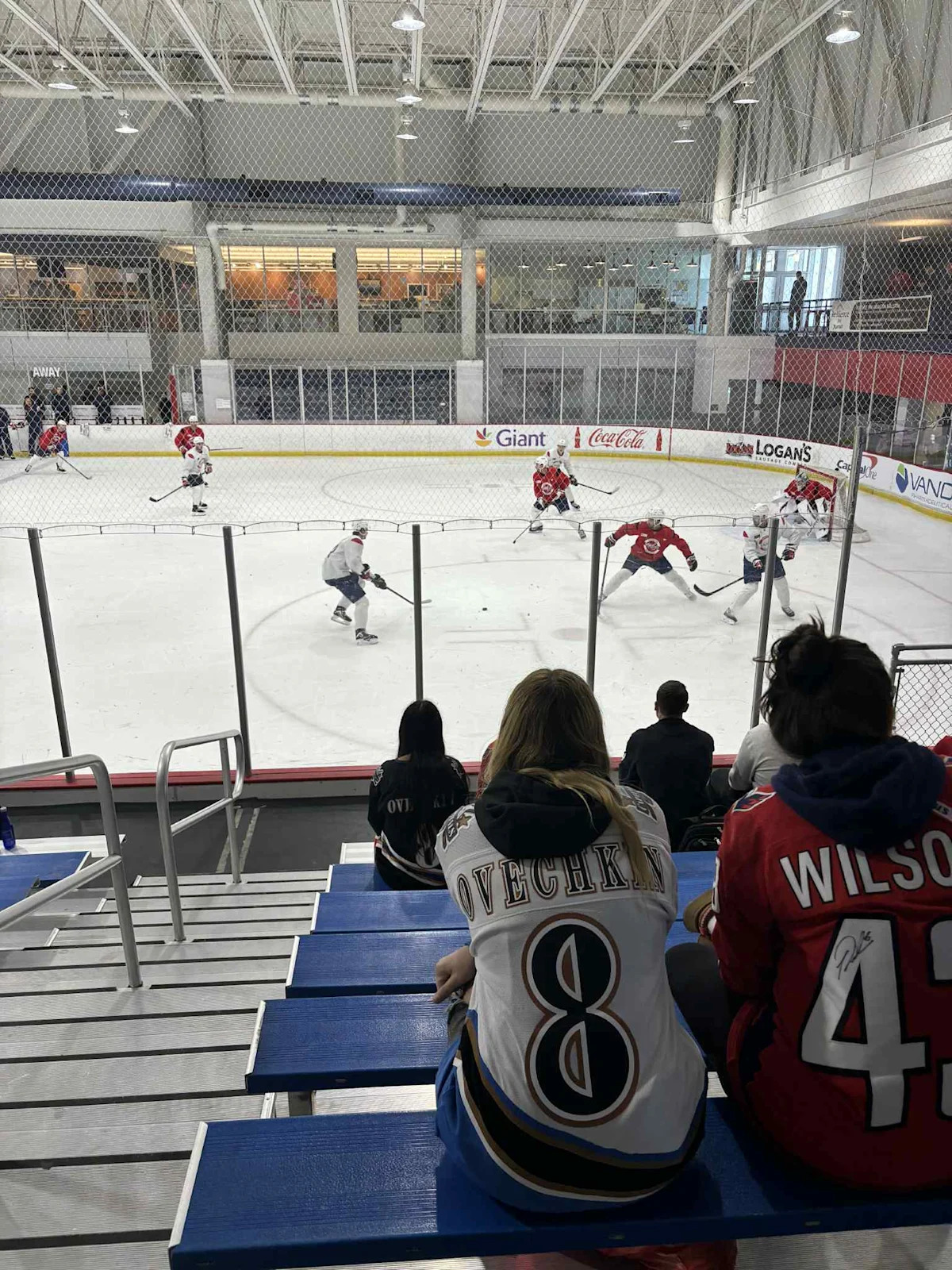
On a Sunday afternoon that has since stirred considerable discussion within the hockey community, the Washington Capitals officially announced the immediate dismissal of assistant coach Mitch Love. This decision stems from serious allegations surrounding domestic abuse, which led to an NHL-led investigation. Love’s suspension was preceded by a team-imposed leave as the inquiry into his past behavior unfolded, reflecting the league’s commitment to addressing issues of player and staff conduct.
Key Developments in Mitch Love’s Situation
The investigation into Mitch Love’s behavior began when a victim reported allegations directly to the NHL. Importantly, this warning came in the wake of Love’s interviews for head coach vacancies with multiple teams during the summer. As the inquiry progressed, the Capitals took the precautionary measure of placing him on leave, allowing space for a thorough investigation to take place.
On the heels of the NHL’s findings, the Capitals made the decision to sever ties with Love, indicating that the organization prioritizes a safe and respectful environment for all players and staff. The Capitals moved quickly to appoint Patrick Wellar as Love’s replacement. Wellar, who previously served with the AHL’s Hershey Bears, steps into this role with a fresh perspective and background relevant to the team’s development goals.
Fans and members of the media have reacted strongly to this announcement. While some have expressed disappointment over the circumstances surrounding Love’s departure, many others have applauded the Capitals for taking decisive action. This moment reflects not just a singular incident but also the larger movement within professional sports to uphold standards of conduct and ethics, particularly in contexts involving allegations of domestic violence.
Understanding the Broader Context
The situation is emblematic of a shift in how sports organizations handle allegations of domestic abuse. Increasingly, leagues such as the NHL are being held accountable not only for the actions of their players but also for the behavior of coaching staff and executives. Fans and sponsors alike demand accountability, leading organizations to adopt stricter policies concerning misconduct.
In recent years, several high-profile cases have drawn attention to the prevalence of abusive behavior in sports, from athletes to coaching personnel. Each of these incidents has contributed to the emergence of a culture that seeks to address and eradicate such behaviors aggressively. The NHL’s proactive response to the allegations against Love illustrates a growing commitment to fostering safe and respectful workplaces in professional hockey.
Reactions from the Hockey Community
Reactions to the Capitals’ decision have varied widely. Some former players and analysts have voiced their support for the swift action taken by the organization, praising the NHL for placing the integrity of the league and the safety of its players above all else. Others have expressed their frustration over the timing and the repercussions for Love’s career. Public discourse reveals a complex tapestry of opinions, ranging from outrage at his conduct to sympathy for the personal ramifications of his dismissal.
This dichotomy highlights a broader societal challenge: balancing individual accountability with compassion for personal struggles. While it is essential to address the harm caused by abusive behavior, those who have faced the fallout — including Love, in this case — also prompt discussions about grace and rehabilitation.
The Capitals’ Decision-Making Process
Behind the decision to relieve Love of his duties is a nuanced process. The Capitals have likely undertaken extensive discussions with their management, legal advisors, and human resources teams to navigate the situation carefully. The organization’s choice to replace Love with Patrick Wellar, a coach with ties to the development team, suggests a focus on continuity and stability for the players, particularly during a tumultuous time.
Wellar’s appointment is noteworthy in its own right. He has accrued experience in player development and mentoring, essential qualities for a team seeking to build character alongside skill. His familiarity with the Capitals’ system positions him as a viable successor, capable of sustaining the momentum necessary for success both on and off the ice.
Looking Ahead: The Capitals’ Future
As the Capitals move forward from this challenging incident, the focus will undoubtedly shift toward the upcoming season and the direction of the franchise. In replacing Love, the organization has signaled its intention to prioritize ethical standards and maintain a culture of respect. The impact of such values resonates beyond team performance; fostering a supportive environment contributes to player development, health, and well-being.
The Capitals’ decision also serves as a benchmark for other franchises in the league. As the NHL navigates the implications of Love’s situation, it may inspire other teams to reevaluate their policies on conduct, accountability, and support systems. This pivotal moment could catalyze broader changes within the league, encouraging organizations to solidify measures that promote responsible behavior.
Conclusion
The dismissal of Mitch Love underscores an essential evolution within the world of professional sports, where the imperatives of safeguarding individuals and building safe environments increasingly take precedence. As the Washington Capitals embrace this change, they continue to stand as a relevant case study in addressing the complexities of workplace conduct.
Moving ahead, the Capitals, with Patrick Wellar at the helm, will need to channel their focus into not only player performance but also the cultivation of a positive culture that stands firmly against domestic abuse. This incident highlights the ongoing necessity for vigilance in the face of serious allegations, reaffirming that the league and teams must aim for accountability, transparency, and continuous improvement. In essence, organizations embody values that resonate well beyond the ice rink, shaping the fabric of sports culture and influencing future generations of players, coaches, and fans alike.
Source link