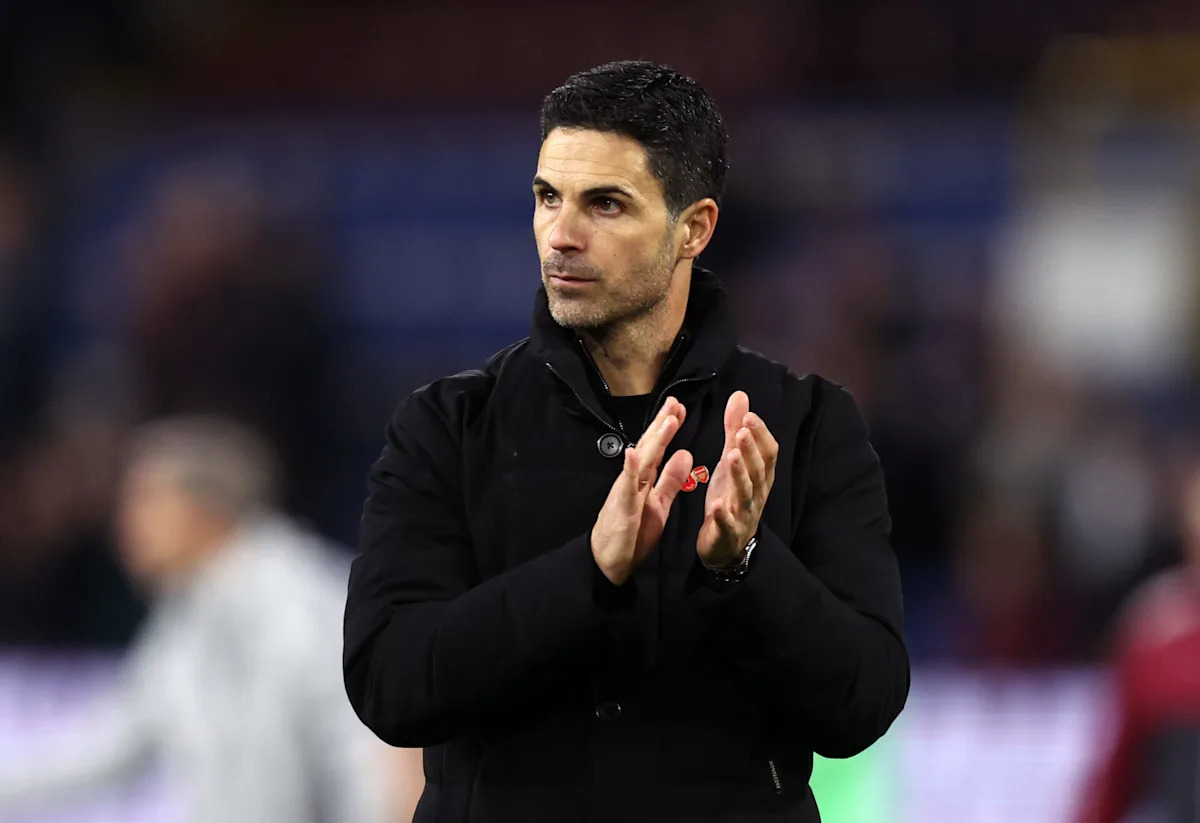
Mikel Arteta’s Call for Change: A Look at the Arsenal-Palace Fixture Rescheduling
In recent developments surrounding the Premier League, Mikel Arteta has raised an important issue regarding fixture congestion. Following the decision to postpone Arsenal’s match against Crystal Palace to December 23rd, Arteta is advocating for the rescheduling of Arsenal’s upcoming game against Everton, initially set for December 21st. This situation brings to light the larger dialogue about fixture scheduling and the balance between player welfare, fan experience, and broadcasting commitments.
### The Context of the Match Rescheduling
Arsenal was slated to face Crystal Palace in the quarter-finals of the League Cup. However, the postponement to a date just two days before their Premier League match against Everton raises concerns over player fitness and squad rotation. With both teams now set to play two matches within a span of three days, the challenges are magnified.
Arteta’s grievance is multi-faceted, emphasizing the unfairness of such a scheduling decision. “To play two days later, it doesn’t make any sense obviously,” he remarked, highlighting the potential consequences of fatigue and injury on player performance. The tight turnaround between matches is not just a logistical issue; it fundamentally affects the quality of football being played and the safety of the players on the pitch.
### The Implications of Fixture Congestion
The Premier League is known for its fast-paced nature and packed Christmas schedule, but the current situation exemplifies the difficulties inherent in such a crowded timetable. Clubs like Arsenal and Palace, while accustomed to the rigors of the season, are placed at a significant disadvantage when required to compress their schedules without adequate recovery time.
Arteta’s call for a rescheduling of the Everton fixture not only speaks to player welfare but also considers the supporters who travel to watch their teams play. With travel disruptions likely during the festive season, fans are faced with significant inconveniences. “It’s not just about the players; it’s about the supporters too. They deserve to see their teams at full strength,” Arteta poignantly emphasized.
### The Business of Football and Broadcast Interests
While Arteta makes a compelling case for rescheduling, the reality is that such decisions are often influenced by financial concerns—primarily broadcasting rights. The Premier League fixtures are meticulously arranged to optimize viewership and revenue. Arsenal’s game against Everton holds significant importance for broadcasting partners like Sky Sports, and altering fixtures may disrupt lucrative TV schedules.
Discussions about prioritizing player welfare and fan experience often seem to clash with financial motivations within the footballing hierarchy. As the dialogue unfolds, it becomes evident that neither UEFA nor the Premier League is inclined to compromise their financial interests, leaving concerns regarding player fatigue on the back burner.
### Alternative Solutions
Amidst the current predicament, there exists a possibility for alternative scheduling solutions. Instead of moving the Everton match, there is a strong case for rescheduling the fixtures of both Arsenal and Palace to an alternative midweek date, thus granting both teams the necessary rest before the knockout rounds. This could alleviate pressure on players while ensuring competitive integrity during the League Cup and Premier League.
The broader implications of such rescheduling could even benefit the League Cup itself, giving clubs the opportunity to field their strongest line-ups. This, in turn, could enhance the quality of matches and bring back some luster to a competition that has at times been overshadowed by league priorities.
### Conclusion
Mikel Arteta’s call for change serves as a timely reminder of the complexities surrounding fixture scheduling in modern football. The balance between commercial interests and genuine concern for player welfare must be continually reevaluated. As the Premier League navigates the busy Christmas season, all eyes will be on how they address these pressing concerns while maintaining the integrity of the competition.
Arteta’s advocacy could be the catalyst for a much-needed change in approach by football’s governing bodies, pushing for a more balanced consideration of both player welfare and fan engagement. It is a crucial moment for the Premier League to reassess its values and determine whether the tradition of tight fixture scheduling is worth the toll it takes on the players and supporters alike. Ultimately, the goal should be to foster a sporting environment that not only entertains but also respects the individuals and communities invested in the game.
Source link