
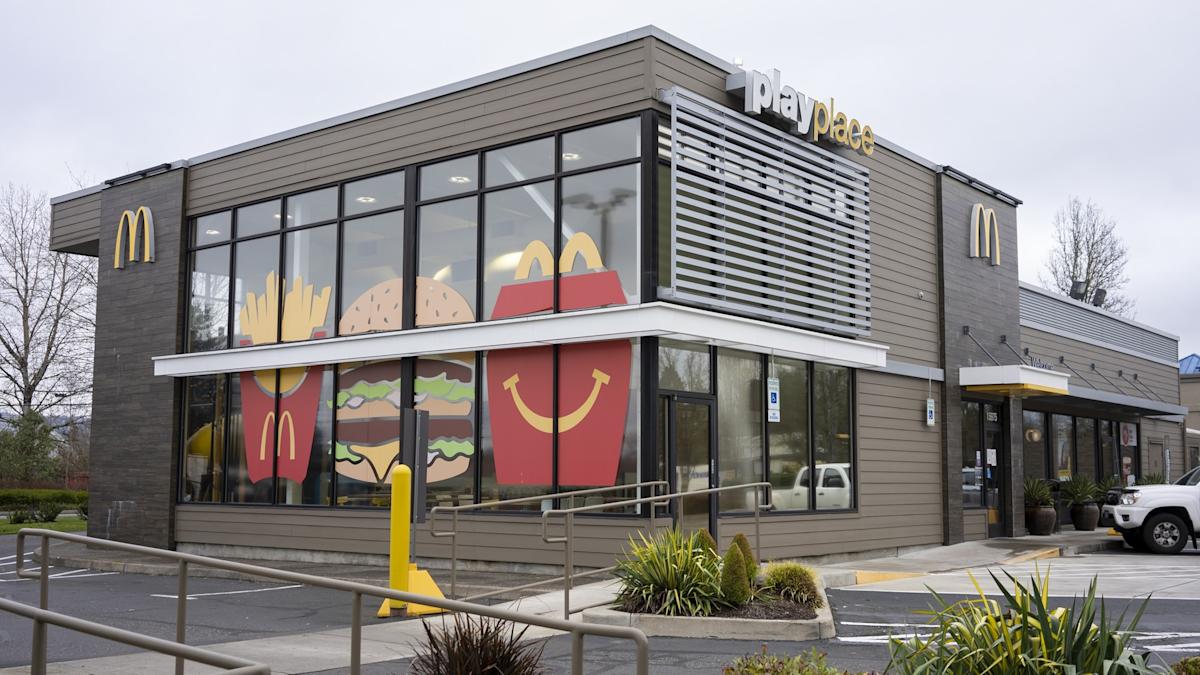
The trend of adults opting for kids’ meals at fast-food restaurants, particularly McDonald’s, has become a telling indicator of the current economic climate. Once primarily a nostalgic choice for younger consumers, the increasing frequency with which adults are turning to kids’ meals reveals deeper socioeconomic concerns. According to a recent survey conducted by Lightspeed, 44% of adults reported ordering from the kids’ menu, with nearly one-third citing budget-friendly prices as their primary motivator. This shift not only points to personal financial constraints but also reflects broader economic challenges impacting consumer behavior.
### The Rising Cost of Eating Out
Recent statistical analyses reveal that food prices, especially for dining away from home, have surged dramatically over the past year. The consumer price index indicates that overall costs for meals at restaurants have risen by 3.9%. Specifically, prices for full-service meals and snacks have climbed 4.6%, whereas limited-service options, such as fast food, have seen an increase of 3.2%. While many consumers might feel that fast food remains an affordable option, the reality is that significant price increases have made even these seemingly budget-friendly alternatives less accessible.
In contrast, the rising costs related to dining at home have also not gone unnoticed, with prices rising by 2.7% year-over-year. The category of animal proteins, including meat, fish, and eggs, has seen staggering price hikes of 5.6%. Such inflation strains the budgets of consumers, forcing many to reconsider their food choices and meal options.
### Economic Factors Driving Food Prices
Several intertwined factors have contributed to the continuing rise in food prices. The aftermath of the COVID-19 pandemic left lasting impacts on supply chains, with many price increases seen during that period never fully receding. Supply chain disruptions continue to affect the availability of food products, while rising fuel costs mean longer transport times and increased operational expenses for retailers. Additionally, various weather events and international conflicts have further exacerbated these challenges.
Although the consumer price index has fallen from the peak 40-year high of 8% reported in 2022, it remains elevated, reflecting a 26.7% increase overall since 2019. This lingering inflationary pressure adds another layer of difficulty for consumers trying to manage their limited budgets.
### The Impact on Different Income Groups
A closer examination of how these economic trends affect different demographics reveals a stark disparity in the burden of rising food costs. According to the U.S. Department of Agriculture’s Economic Research Service, households in the lowest income quintile allocate approximately 33% of their income to food expenses. In contrast, those in the middle-income bracket spend around 14%. This significant difference underscores the disproportionate challenge faced by lower-income households as they navigate escalating food prices.
The impact of rising costs is not merely financial; it extends to food security as well. The USDA defines food security in terms of an individual or household’s ability to obtain adequate nutrition. In 2023, the latest data indicates that 18 million U.S. households were classified as having low or very low food security. This statistic represents 13.5% of the national population, an increase from 12.8% in 2022. Notably, this trend points to a deterioration in the nutritional quality of available food for many individuals, compounding the challenges faced by those already struggling economically.
### McDonald’s as a Barometer for Economic Conditions
As a leading fast-food chain, McDonald’s serves as a clear lens through which to view shifting consumer habits influenced by economic realities. The allure of kids’ meals, combined with their lower price point, has turned them into a go-to option for adults who value affordability over portion size. This trend is more than just a quirky dining choice; it signals a departure from traditional meal consumer behavior, showcasing how economic pressures are prompting individuals to adapt significantly.
Furthermore, the shift in menu choices reflects a larger narrative about adaptability in uncertain times. As families grapple with stretched budgets, they may seek out the familiar comfort of fast-food meals that evoke childhood memories, even as they are forced to compromise on nutritional value and portion size.
### The Path Forward: Community Resources and Individual Actions
As the situation evolves, individuals facing similar challenges can explore strategies to stretch their food budgets further. Utilizing community resources, such as food banks, local food co-ops, or community gardens, can provide access to nutritional food without the corresponding high costs. Additionally, consumers can investigate discounts and sales or even consider meal prepping as a money-saving avenue worth exploring. Local organizations often provide valuable resources to support food security, and connecting with them may yield practical solutions.
Moreover, fostering discussions around food policy and economics can emphasize the need for systemic change to support vulnerable communities better. Advocating for local food initiatives, transparent supply chains, and affordable pricing for wholesome food options can encourage collective community efforts to combat rising food insecurity.
### Conclusion
The trend of adults leaning towards kids’ meals at fast-food establishments like McDonald’s is emblematic of deeper economic struggles that individuals and families face. Rising food prices amid persistent inflation and financial strain reveal the harsh realities of a changing economic landscape. As our society adapts to these challenges, the need for education around nutritious food choices and access becomes ever more critical. By fostering discussions, supporting community resources, and prioritizing adaptable solutions, stakeholders can work together to bridge the gap of food insecurity and lessen the burden of rising food costs for all.
Source link


