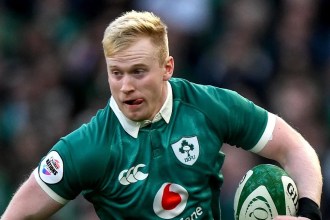
The world of European football is undergoing a significant branding shift that presents a unique complication for Everton Football Club, affectionately known as EFC. The recent rebranding of the former European Club Association (ECA) to the European Football Clubs (EFC) has sparked concerns among Evertonians, who have long identified their club with this acronym. This article will explore the implications of this rebranding, the power dynamics at play within European football, and the potential impact on clubs like Everton.
### The Rebranding Dilemma
The transition from ECA to EFC represents a significant evolution in the organization representing European football clubs. Chaired by Paris Saint-Germain’s president, Nasser Al-Khelaifi, the new EFC has expanded its membership to over 800 clubs across 55 countries. It aims to serve as the “unified voice of clubs,” striving to communicate clearly on matters of governance with Uefa and Fifa.
However, while this goal of unity is commendable, it inadvertently creates identity confusion for Everton Football Club. Founded in 1878, EFC has a rich legacy in English football, and the use of the same acronym by the pan-European organization raises concerns over branding and recognition. For Evertonians, the connection to their historic club is intrinsic; the shorthand “EFC” has been an integral part of their identity for generations.
### A Complicated Ownership Landscape
The situation becomes even more intricate with the involvement of Dan Friedkin, the American billionaire who acquired Everton in late 2024. Friedkin’s dual role, as both chairman of Everton and a board member of the new EFC, underscores the growing entanglement of club ownership across Europe. While Friedkin oversees Everton, a club struggling to regain its former glory, he also has a stake in AS Roma, which regularly competes in UEFA tournaments. This juxtaposition highlights the disparities in fortune between clubs, with one languishing and the other thriving on the European stage.
Friedkin’s representation in both organizations raises questions about whether the interests of established clubs like Everton will be adequately protected. As the EFC positions itself at the governance table for European competitions, the tension between promoting the interests of elite clubs and ensuring opportunities for historic clubs—a category that includes Everton—becomes increasingly pronounced.
### The Shadow of the Super League
The rebranding and structural changes within European football should also be viewed in light of the failed European Super League (ESL) proposal that rocked the football world in 2021. Driven by top clubs, including several Premier League giants, the ESL faced immediate backlash from fans and stakeholders, leading to its eventual collapse. Fans protested vehemently against what they perceived as a closed league that threatened the meritocratic foundation of football.
In the aftermath of the ESL debacle, the new EFC seeks to position itself as a more inclusive and collaborative alternative. With its increasing membership and closer alignment with Uefa, the EFC aims to embody the voices of clubs at all levels. However, as the organization navigates relationships with elite clubs and embraces new competition formats—such as the revamped FIFA Club World Cup—questions arise about the potential for fixture congestion and the safeguarding of the football pyramid.
### The Future of Football Governance
The newly-established EFC’s mission focuses on securing “sustainable growth” and enhancing opportunities for clubs across the spectrum. Still, many critics argue that the organization predominantly serves the interests of the wealthiest clubs while neglecting the historical significance and needs of clubs like Everton, which have long contributed to the fabric of football in their communities.
As the EFC embarks on its new journey, it faces scrutiny over whether it can truly balance the demands of elite football clubs with the legacy and needs of clubs that continue to hold immense historical value. If the organization fails to navigate this delicate balance, it risks alienating long-standing fans and communities that view their clubs not merely as franchises but as essential parts of their identity.
### Conclusion: A New Era Ahead
In summary, the rebranding of the European Club Association to the European Football Clubs poses a compelling challenge for Everton FC and its supporters. The dual role of ownership held by figures like Dan Friedkin and the overarching influence of elite clubs complicate the landscape of European football governance. As the EFC strives to secure a position of prominence in the evolving football ecosystem, the question remains: will it prioritize the interests of all clubs, or will historic institutions like Everton find themselves overshadowed beneath the weight of new alliances and competition?
The stakes are high, not only for clubs like Everton but for the core principles that define football as a sport grounded in community, meritocracy, and shared history. As fans and stakeholders watch closely, the blueprint for European football’s future hangs in the balance.
Source link